Art, Events

Creative Wellness Using Art: Trauma & Art

This week’s session was about trauma and art, and Joyce led us through various artists who have had trauma in their lives and have used their art to heal.

First she spoke about Jackson Pollock and his psychoanalytic drawings he did in therapy for his alcoholism. She spoke about how you can bring out your subconscious through art. While he was sober, Pollock did drip paintings, which was considered abstract expressionism, and he flung the paint onto the floor and released his energy. He and his wife Lee Krasner were action painters.
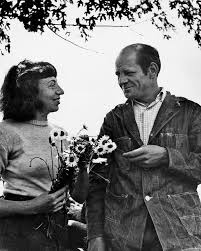
Krasner dealt with Pollock’s tragic death with her art, and she used her whole body in a sort of rhythmic dance while painting while she created. She said that you can’t have a plan or control it, and that the art is like a force or energy that moves through you. It’s a form of surrender.

Hilma af Klint, a Swedish artist, used to paint landscapes and portraits. Then she loses her sister and began to make abstract art after this trauma. There were seances that were performed around Hilma, and she did paintings that came automatically through her while she painted without questioning anything.
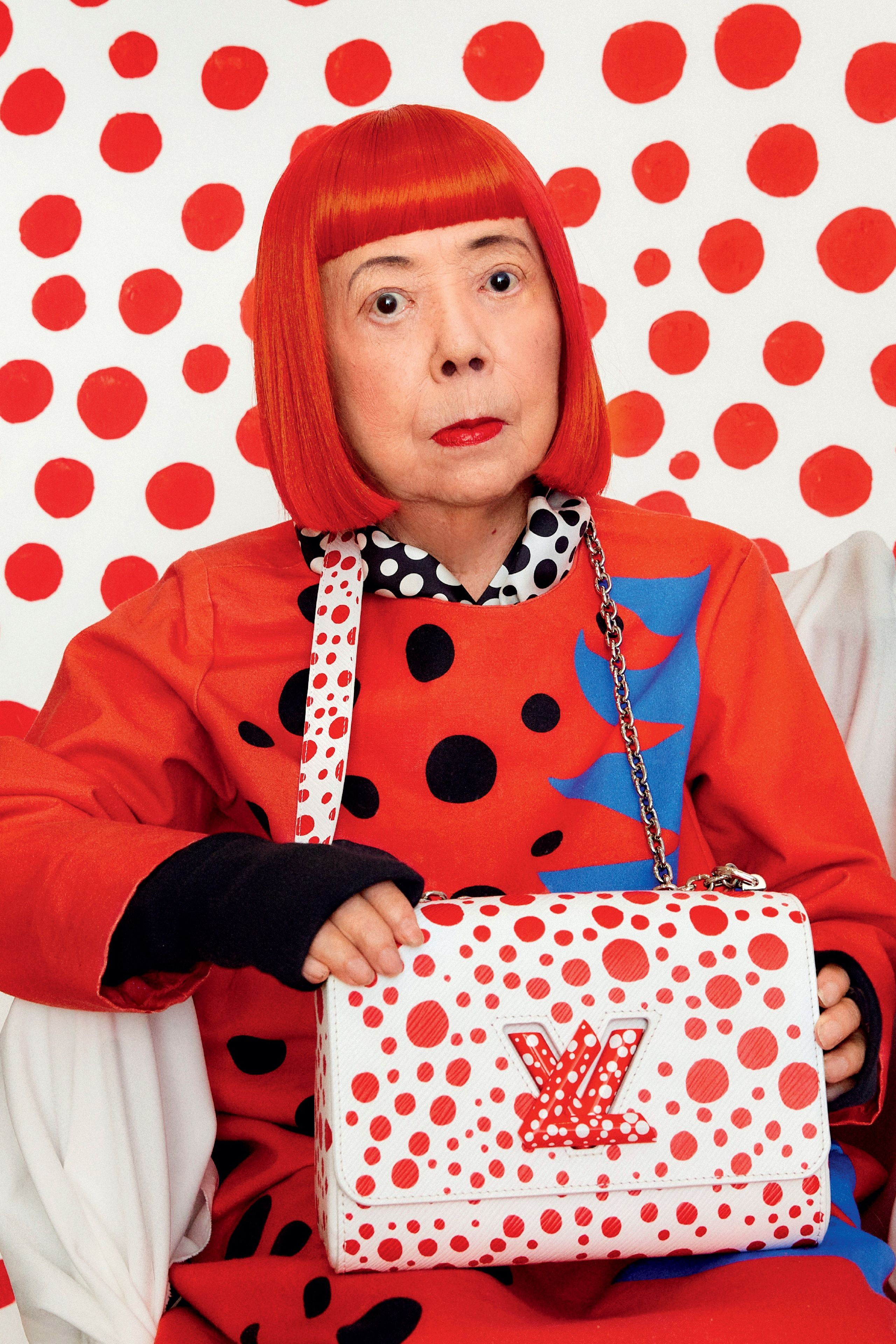
Yayoi Kusama is a Japanese artist who does everything from fashion to mosaics to performance art and paintings and drawings. She was unfortunately abused as a child; her mother asked her to spy on her father while he was cheating on her mother. Her mother also made it known that she didn’t approve of Kusama’s art and often tore it apart. Kusama had a psychotic break as a teen, and began seeing dots, which she incorporates into her art. She now perminantely resides in a mental health facility in Japan and creates art in a nearby studio.

Frida Kahlo had a bus accident at the age of 18 and a metal rod went through her pelvis. She had 40 surgeries throughout her lifetime, and died young. She was able to paint in bed while she was healing.
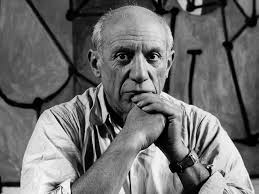
Pablo Picasso created art that showed the suffering of the world. One of his paintings is of the Weeping Woman, which showed what the world is feeling, and another is his famous Guernica, which shows the horrors of war.
Books, Events, Latinx, Nonfiction

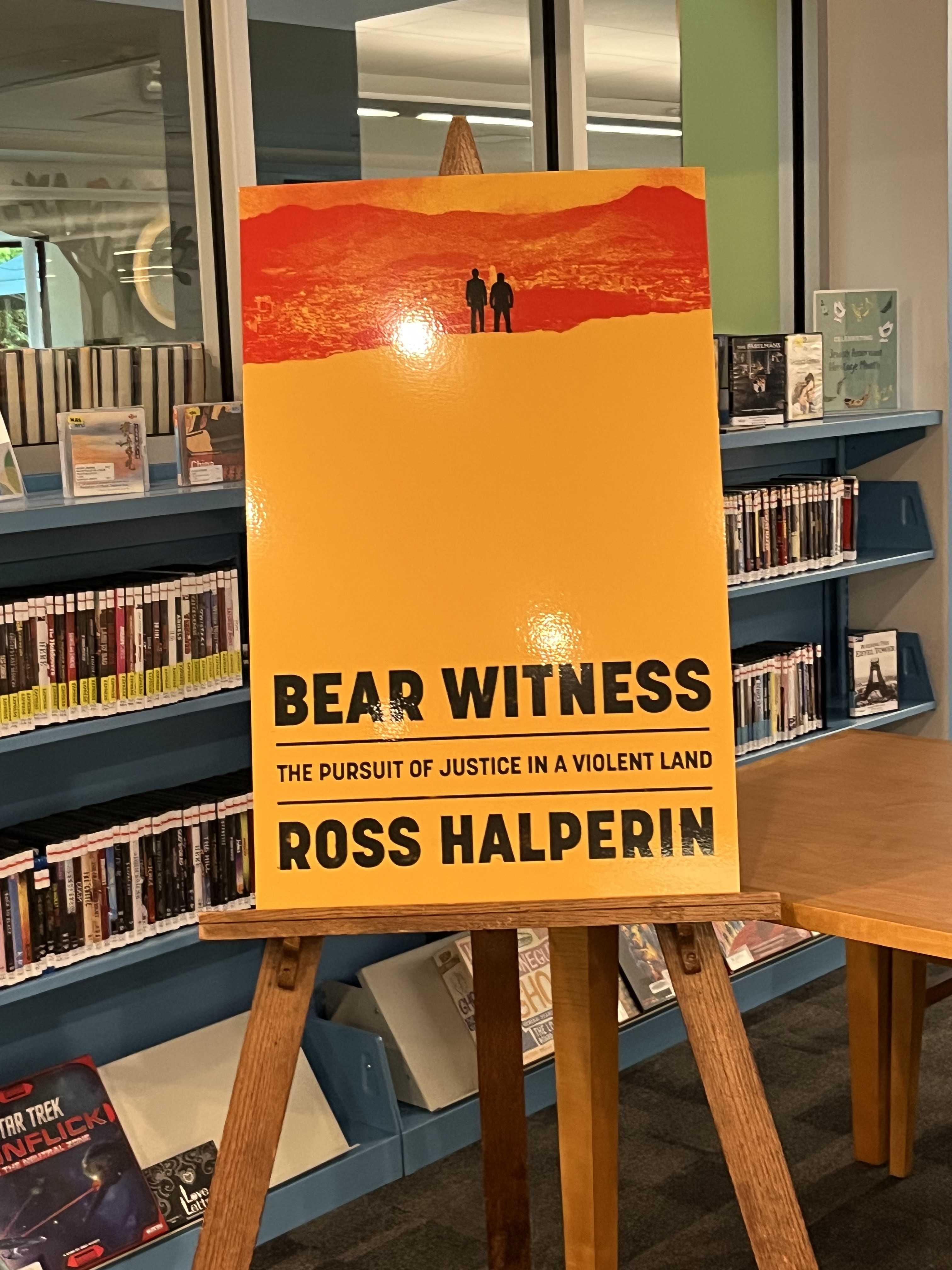
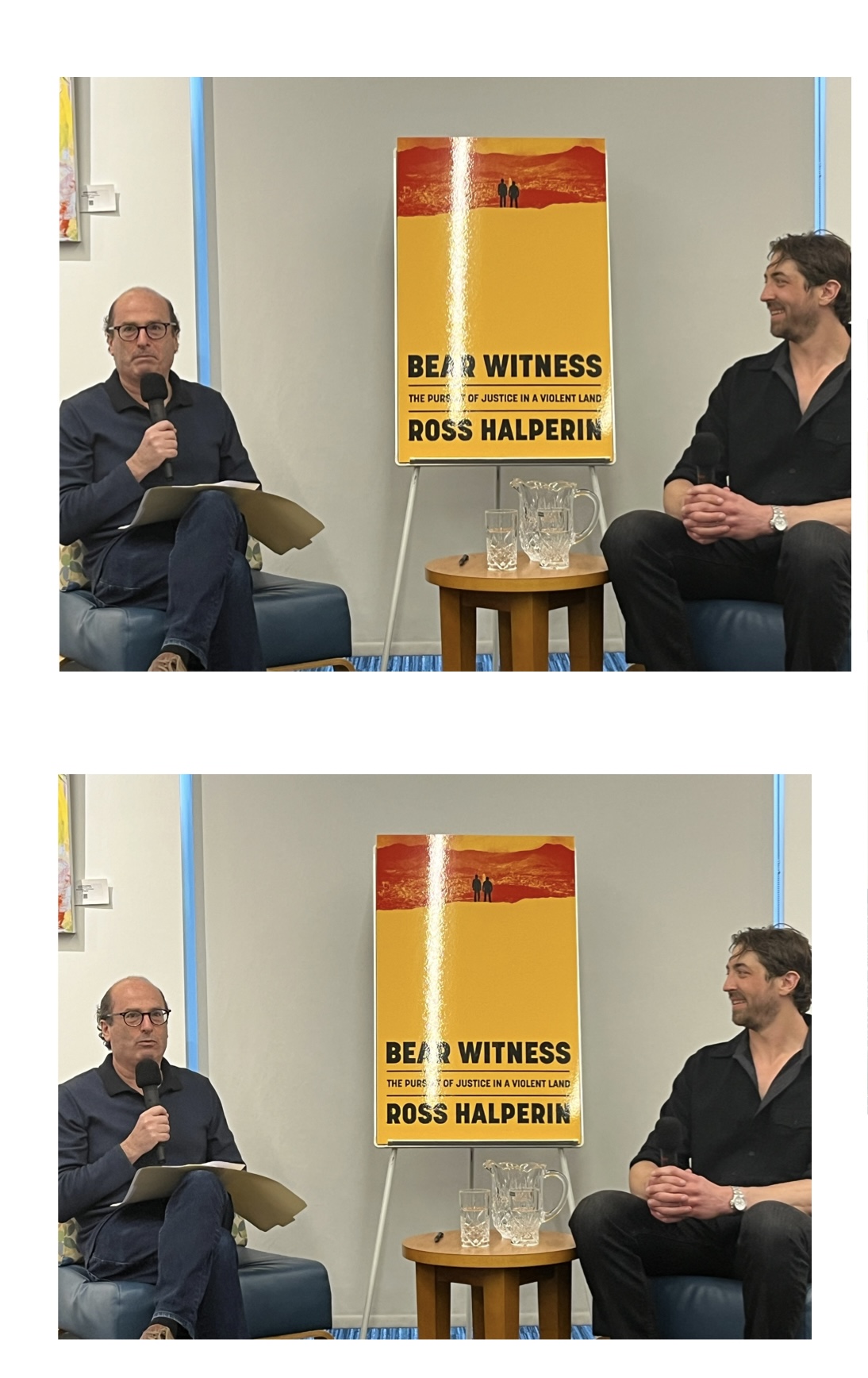
Author Event: David Grann & Ross Halperin in Conversation: “Bear Witness”

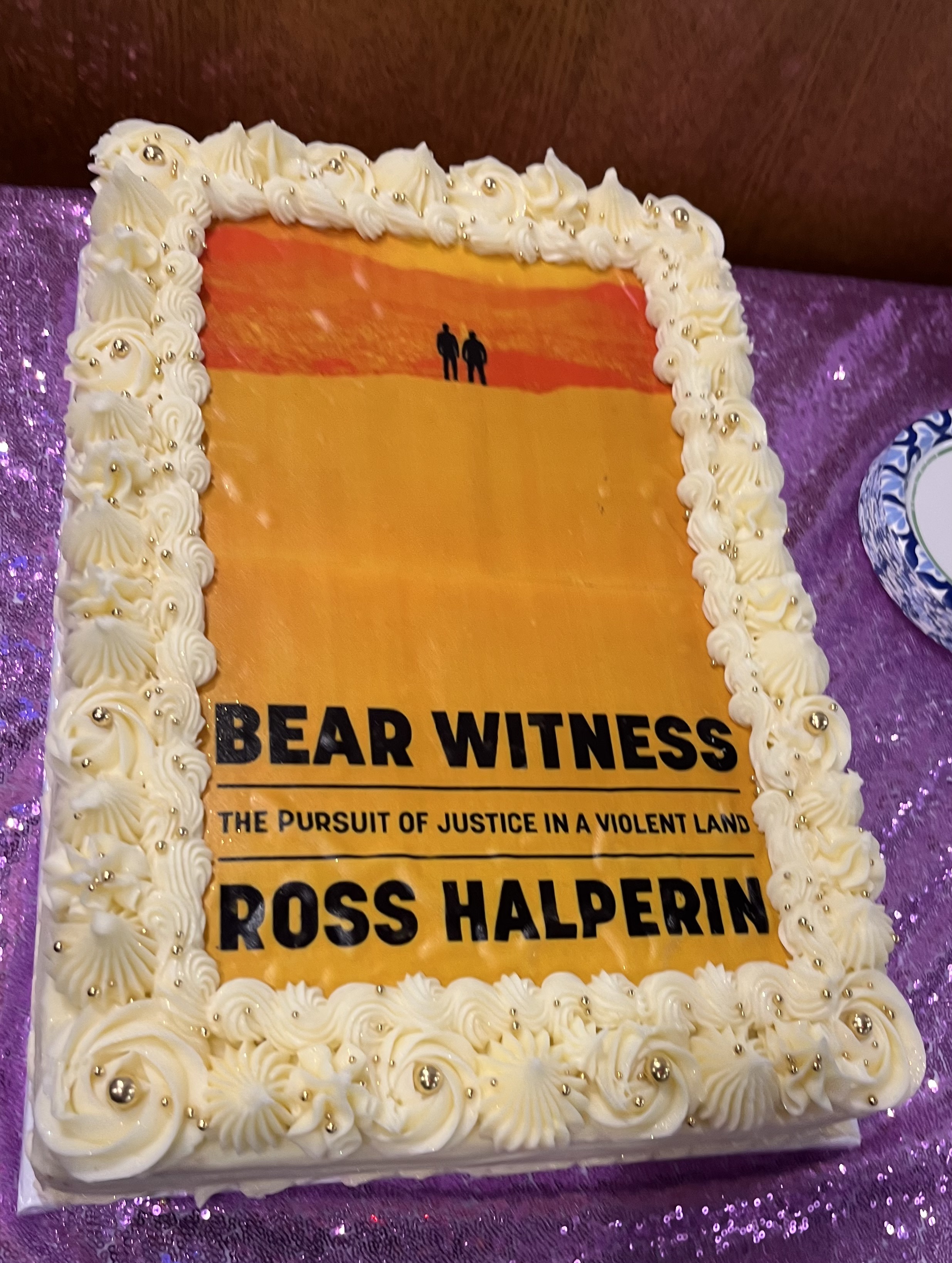
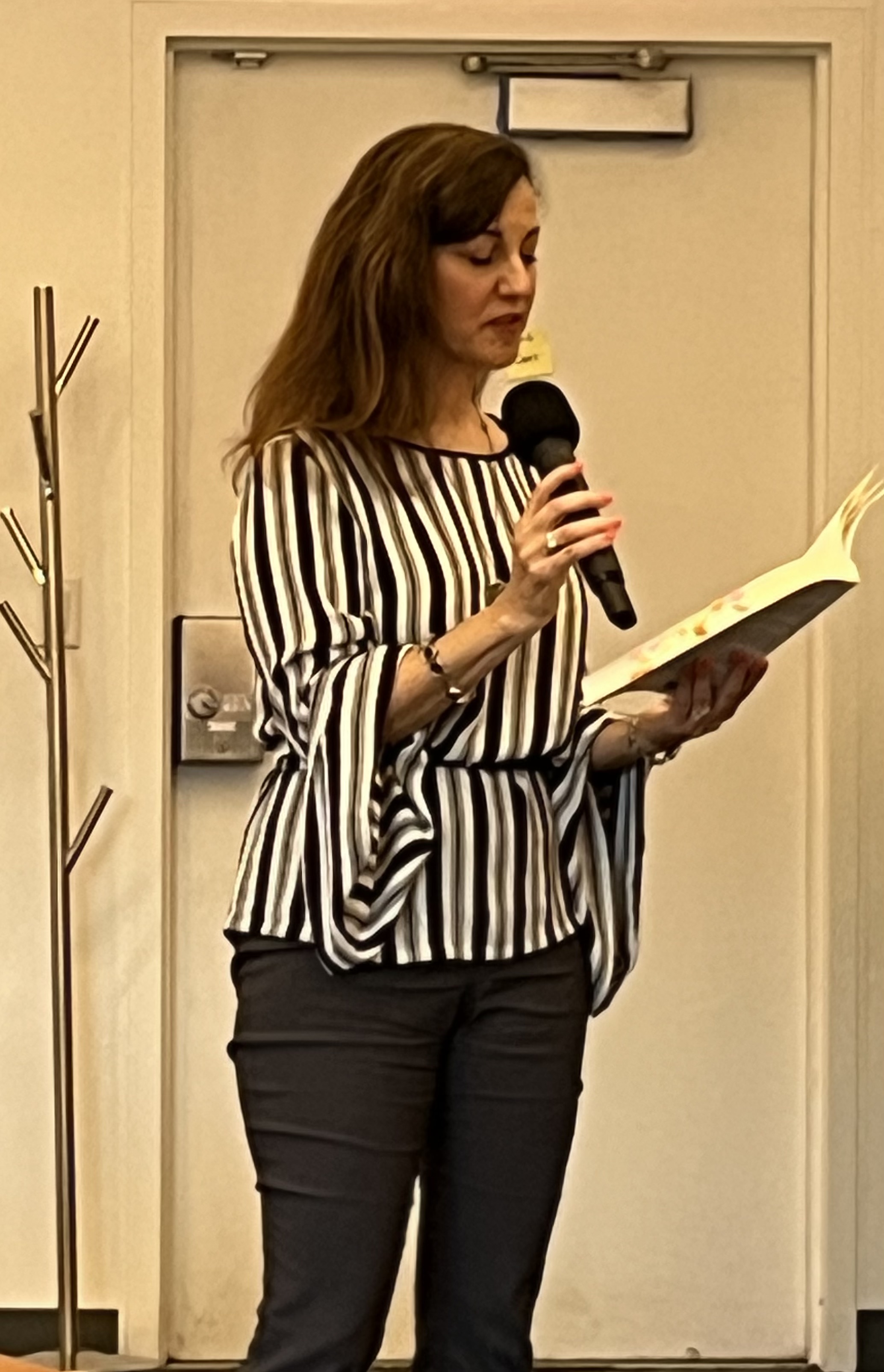
I went to a fantastic author event where author David Grann (who wrote Killers of the Flower Moon and The Wager) interviewed journalist Ross Halperin about his new true crime book Bear Witness: A Crusade for Justice in a Violent Land.

Ross is the son of Richard E. Halperin, a man who a local library building is named after, so it was pretty special to welcome Ross to the library for this event. The library had a restaurant come in and serve arepas with pork as well as drinks for purchase. They also had an awesome red velvet cake at the end which had a photo of the book cover on it. It was a very fancy after-hours event!

Bear Witness took Ross years to write and countless hours of research and interviews and cold calls, including the one he made to David Grann. The book is about two Christians, Kurt Van der Beek, an American sociologist, and Carlos Hernandez, a Honduran schoolteacher, who raised their families in Nueva Suyapa, a gang-run barrio in the mountains of Honduras. Kurt and Carlos were best friends who dedicated their lives to helping the poor and took matters into their own hands when it came to fighting back against the violence and injustice brought on by gang activity.

I have not yet read Halperin’s account of the events that unfolded, but I anxiously await the chance to do so.

Art, Events

Creative Wellness Using Art: Physical Challenges & Creative Opportunities

For this event, Joyce spoke about the challenges of being an artist when one has a physical disability, especially in the artist’s older age. She mentioned for example, that one could make adaptations such as using a thicker paintbrush if one needed it. Or, if an artist had Parkinson’s disease and their hands shook, they could create completely different art, and it would come out abstract, instead of how it usually did.

Joyce also spoke about many different artists with physical disabilities and how they were still able to make art.

Lee Krasner
Lee had a brain hemorrhage in 1962, and later arthritis. She used the working fingers on her right hand to guide her left hand so she could still paint. She also made collages of her already-made paintings and drawings. She was an “action painter,” meaning she used her entire body when she painted; she even figured out how to do this in her later years.

Edgar Degas
Degas was an impressionist painter who had visual impairments. A lot of his subjects were about sight. Artist Mary Cassatt also suffered visual impairment.


Frida Kahlo
Kahlo had a bus accident at the age of 18 and as a result, needed a metal rod in her spine. She painted many self-portraits from her bed. This period in her life is actually when she realized her talent and love for art.

Claude Monet
Monet was an impressionist who painted light and color. He painted the same objects in different light on purpose. He then loses his ability to see color and light because of cataracts. The surgery was very new at the time, so he was afraid to have it done, but later he did have it done in one eye. Before the surgery, the paintings came out more abstract and darker. He also suffered from depression as a result of losing his son and second wife. After the surgery, Monet painted the famous water lilies in his later years.
Chuck Close
Chuck Close was famous for creating faces that look realistic from far away. He had an aneurism in his spine and lost mobility of most of his body. Also, from boyhood, he couldn’t recognize faces.

Matthew Raynor
Raynor suffered a horrific diving accident that left him as a quadriplegic and paralyzed from the chest down. He couldn’t move 85% of his body, was in the hospital for 3 months, had to move back in with his mother in his 20s and needed her help to pretty much do everything. After he recovered, he discovered an old hobby – photography – and figured out how to do it with a drone, which gave his life direction and purpose again. You can visit him at www.matthewraynor.com.

Joyce told us about a movie called Imber’s Left Hand, about an artist named Jon Imber who had ALS and had to learn how to paint with his left hand.

I am looking forward to attending next week’s art talk!

Books, Events, Historical Fiction, LGBTQ+, Tear Jerkers

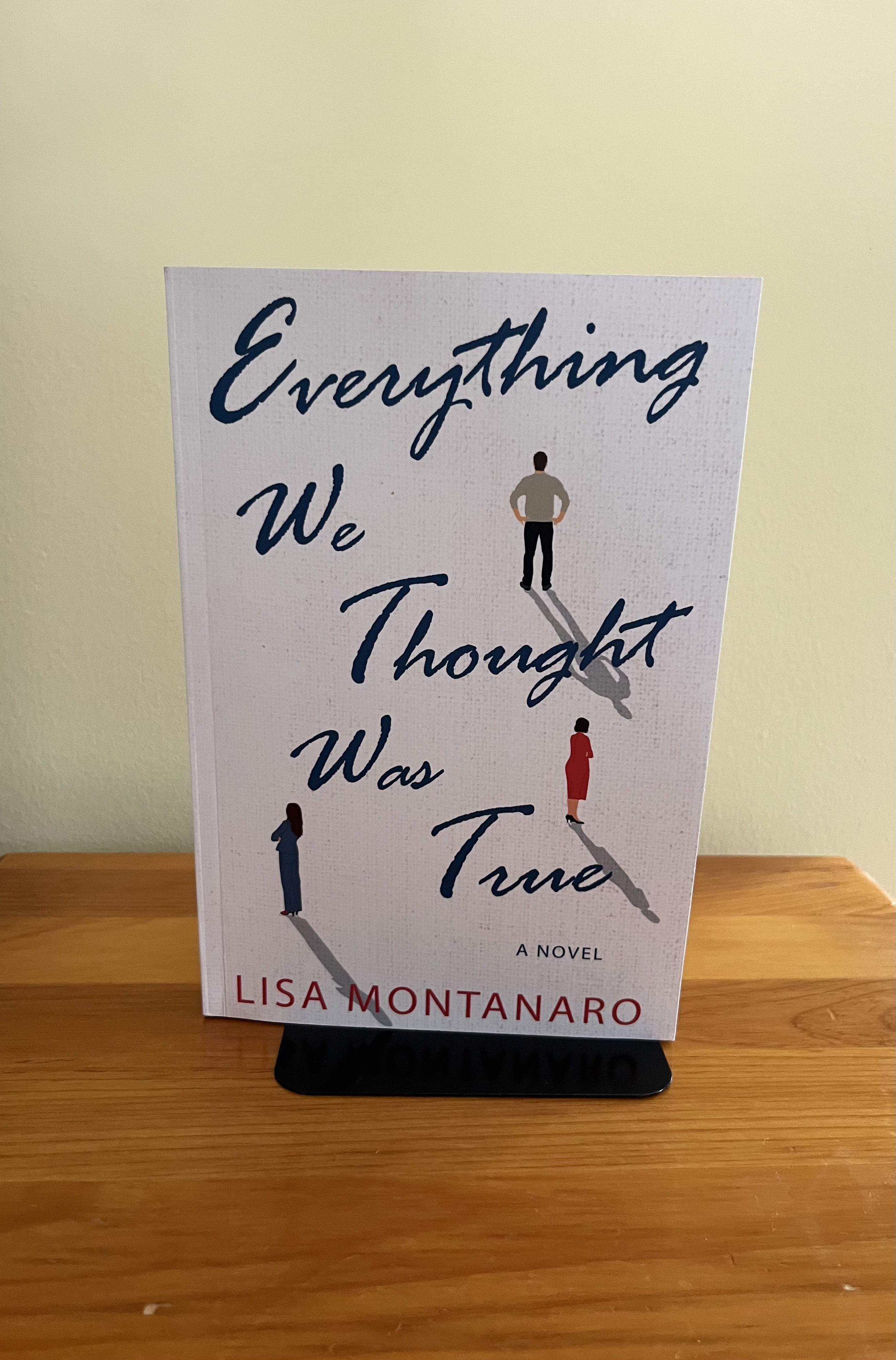
Author Event: Everything We Thought Was True by Lisa Montanaro

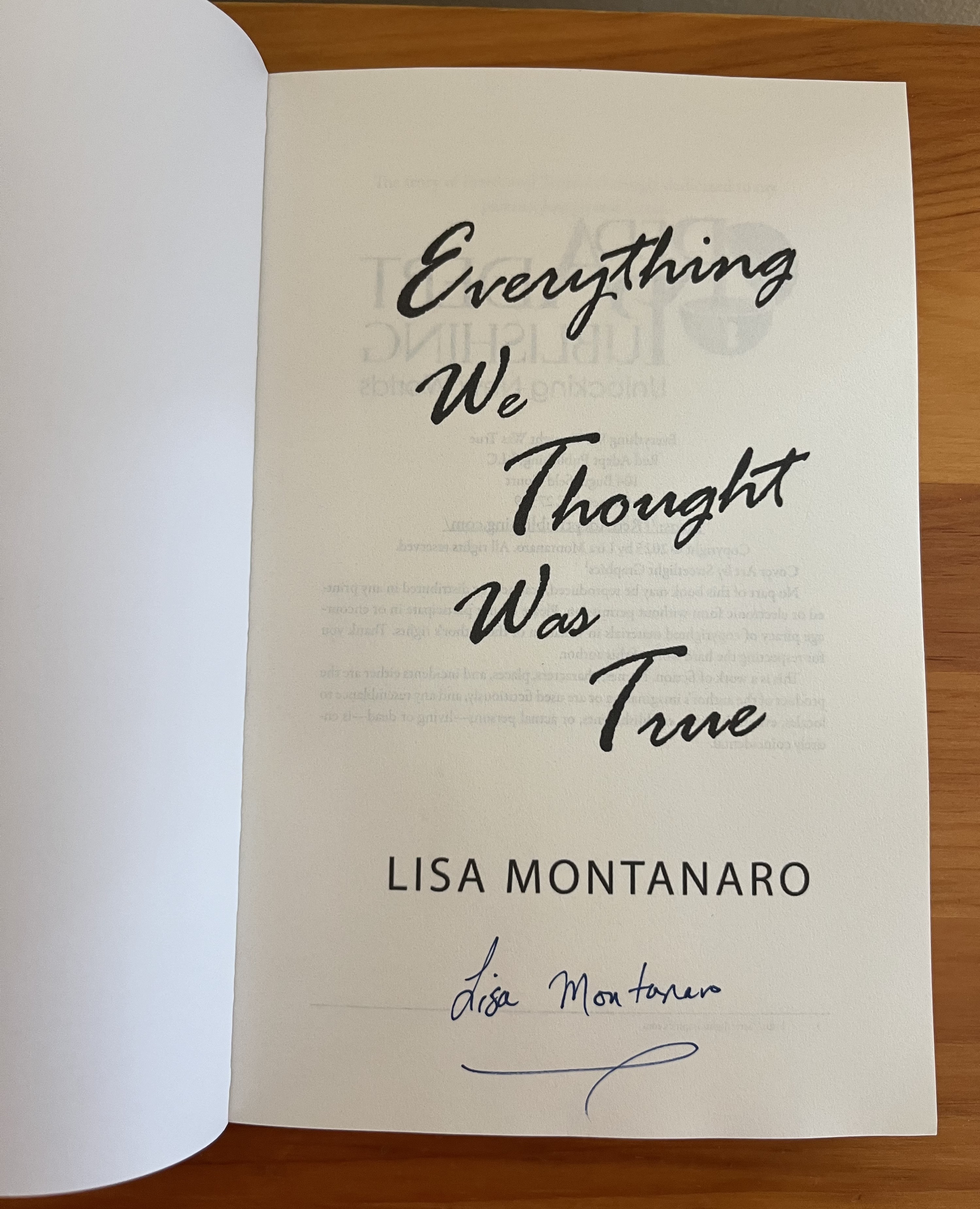
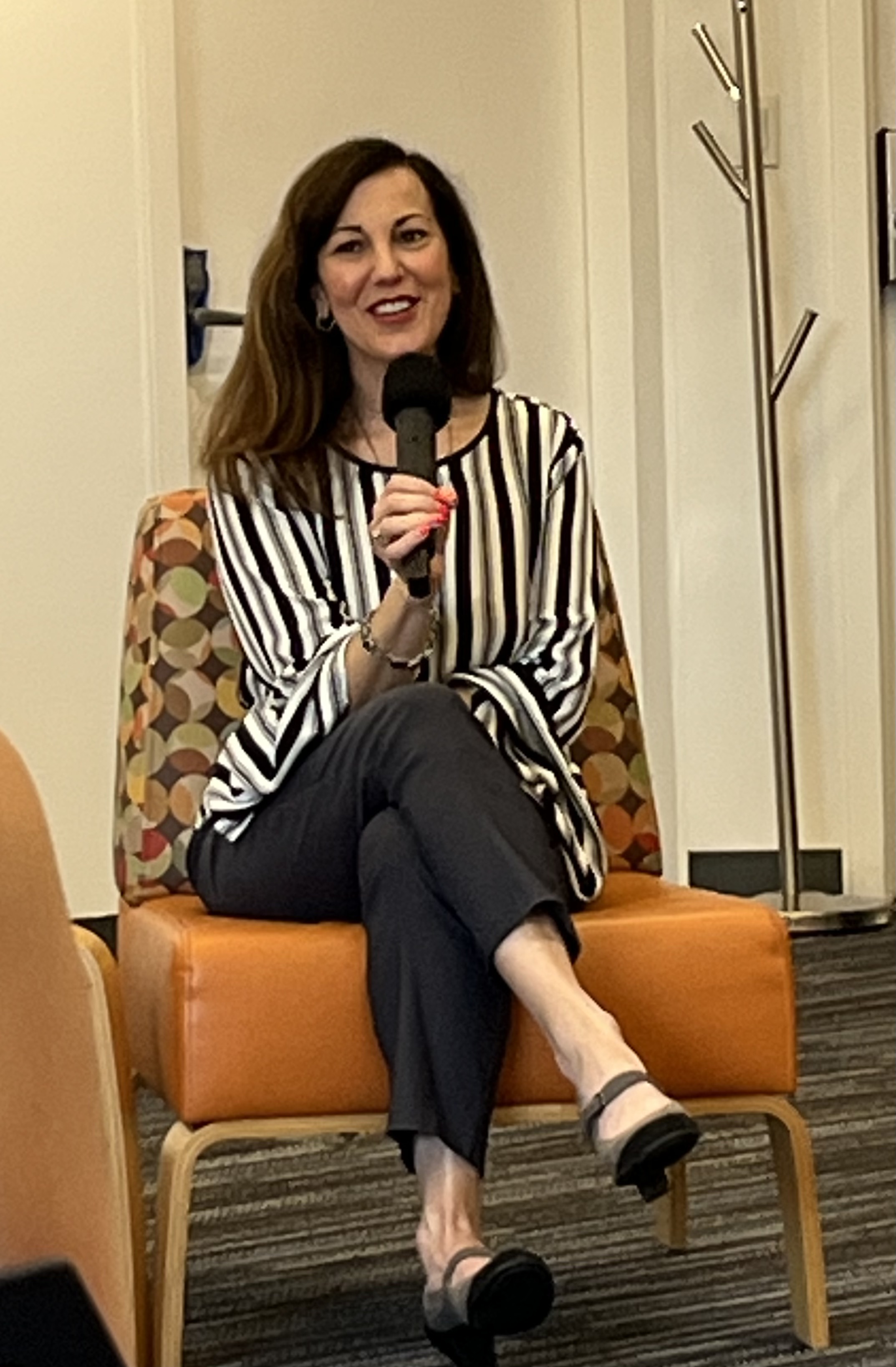
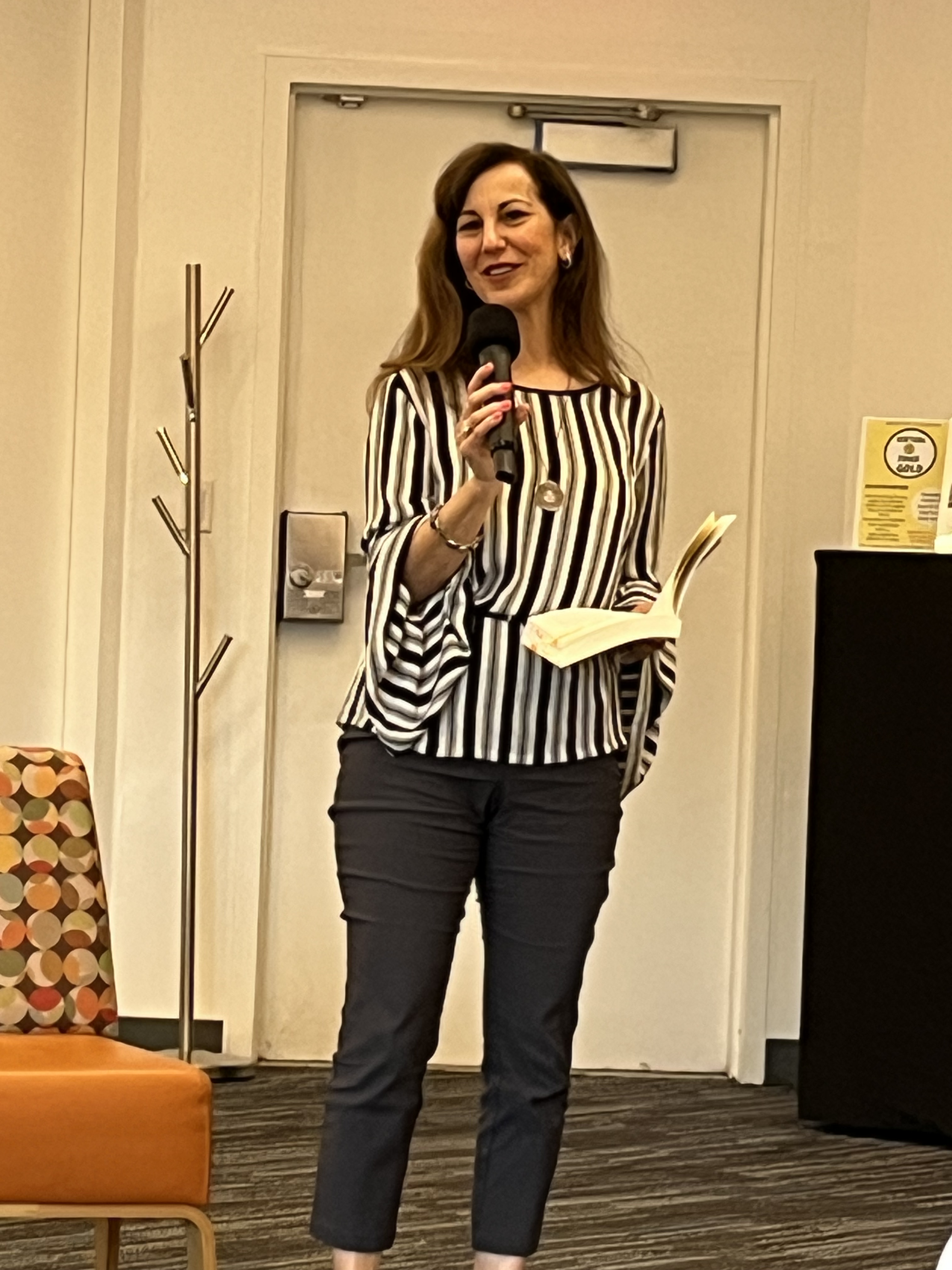
Recently I had the privilege of going to an area library, where Lisa Montanaro, who used to live locally but moved to California in 2012, was promoting her novel with a book talk and signing. She was in conversation with Christine Adler, a local lady and former president of the Women’s Fiction Writers Association.

Ms. Montanaro’s book, Everything We Thought Was True, is a family drama, and a highly fictionalized version of her life. It is a dual timeline, being told in 2015 by Lena, the adult daughter of a gay father, and narrated by her parents Teresa and Frank in the 1970s and 80s.

Ms. Montanaro told us that, being first a nonfiction writer, she initially intended for this story to be a memoir, yet as she was interviewing her formerly closeted gay father, she wanted to change many parts of his story. She quickly realized that this project had to be a novel.

Through reading this book, she wants readers—especially young people—to “understand the history of the hard-won rights of the LGBTQ+ community, and anyone who has a secret and is healing from a trauma to realize that embracing the truth will set you free.”

Ms. Montanaro told us that Lena was the most difficult character to write as she is the most different from herself, and that Teresa is the heart of the novel. Frank was the easiest because she identified the most with him. She said that “Lena is still grappling with loyalty issues and that she’s still living in the closet that Frank came out of.”

Ms. Montanaro’s father is very proud of her book, and he’s very much like Frank because he’s Italian-American, marries a heterosexual woman. She said it took her 6 years to write the book from start to finish.

The three biggest challenges of writing the book were:

  1. Trying to do justice to the true story but not being defined by it.
  2. Converting the raw data of her personal essays into a novel.
  3. Learning that you have to write the entire book before you send it to a publisher, in the fiction world, which is not so in the nonfiction world, as she’d written in the past.

Ms. Montanaro was asked if she had planned to write both such a historic and timely novel. She said she absolutely did not plan it that way at all.

The audiobook version of Everything We Thought Was True is set to release on May 13 through Tantor Media, and it’s being read by Annalee Scott. Lisa Montanaro is planning on starting her next book in a few months, and I can’t wait to see what it will be all about!

I’ve already finished reading Everything We Thought Was True, and you can read my full thoughts here. Happy reading, all!

Books, Events

Indie Bookstore Day

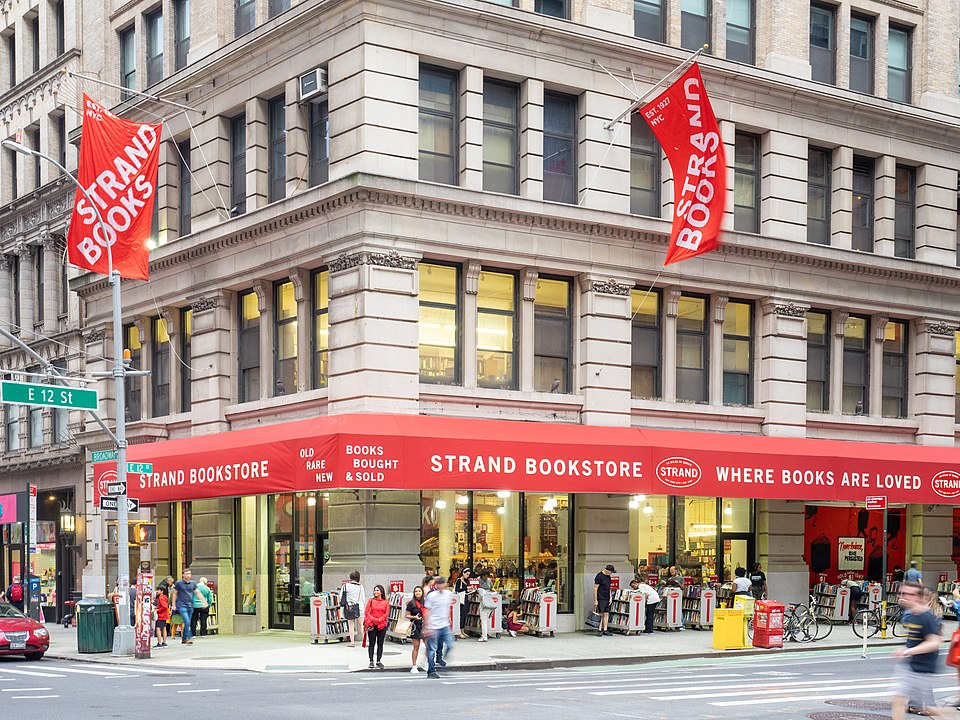
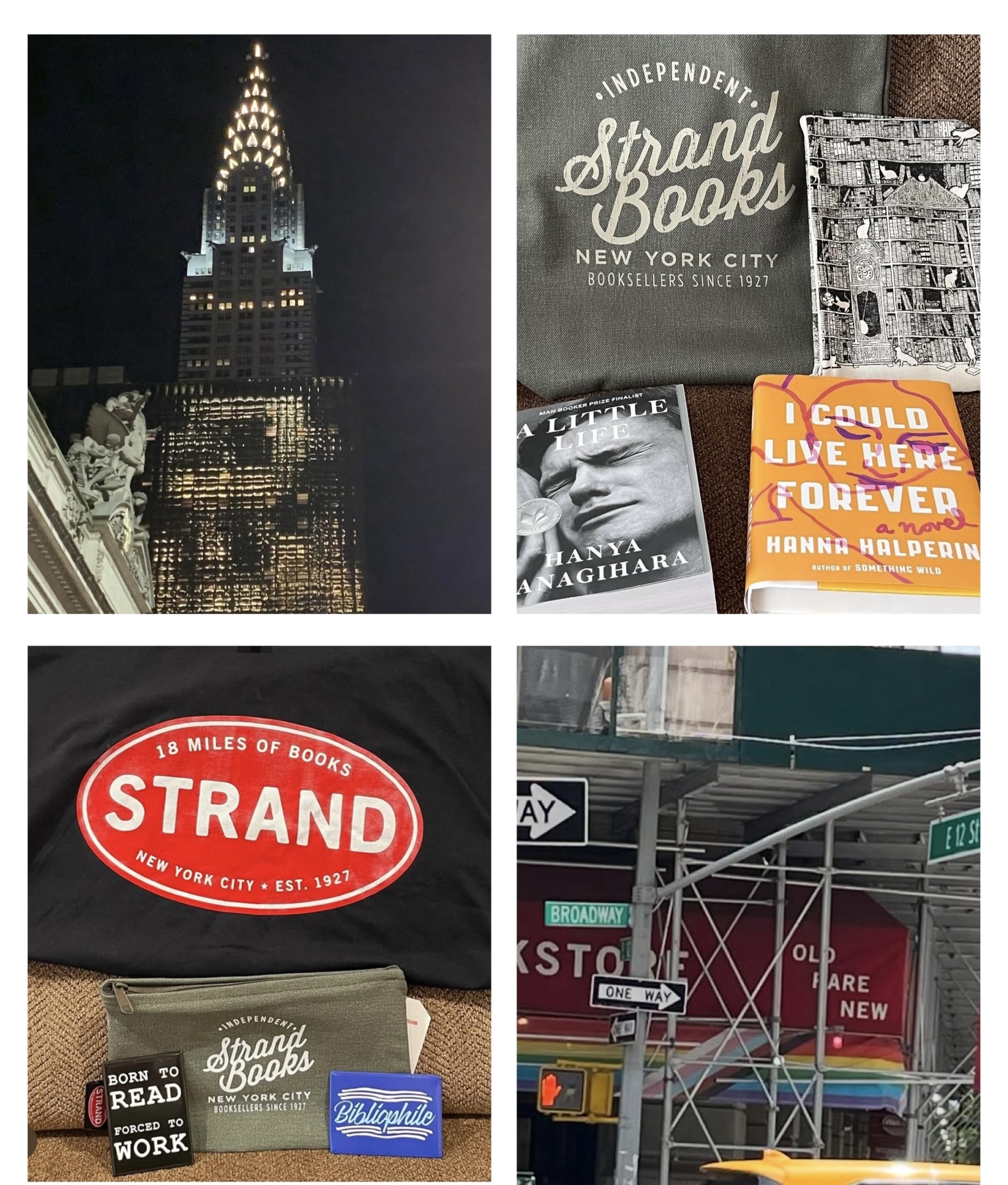
Do you have a favorite bookstore? How about a favorite independent bookstore? I’m located in the New York Metro area, and my favorite indie bookstore is the Strand in Manhattan (NYC), hands down.

In 2013, the last Saturday in April was dubbed “Indie Bookstore Day,” by the ABA (American Booksellers Association). Consumers are invited, and very encouraged, to shop in store and online at their favorite indie bookstores, whether local or adopted, and the businesses have special sales and giveaways that day.

The Strand has locations in the East Village, two blocks south of Union Square (the one I always go to, at 828 Broadway), as well as on the Upper West Side on Columbus Ave., and kiosks in Central Park and in Times Square. There’s also a curated shelf at Moynihan Train Hall.

I’ve been to the Strand many times, either alone or with friends to browse or for book signings in their Rare Book Room on the third floor.

Before each event, a Strand employee explains the history of the bookstore. Opening in 1927, it’s currently 98 years old, independently owned by the Bass family (Nancy Bass Wyden is the current owner – the granddaughter of the original owner Benjamin Bass). The Strand is the last bookstore standing out of 48 bookstores on 4th Ave – what was called “Book Row,” which was established as early as 1890. The other bookstores went by the wayside starting in the 1930s during the Great Depression.

Today, the Strand carries 2.5 million used, new and rare books – or, as they like to say (their tagline) – 18 miles of books!

Here, I’ll share with you some of my experiences and photos of when I’ve gone in the past.

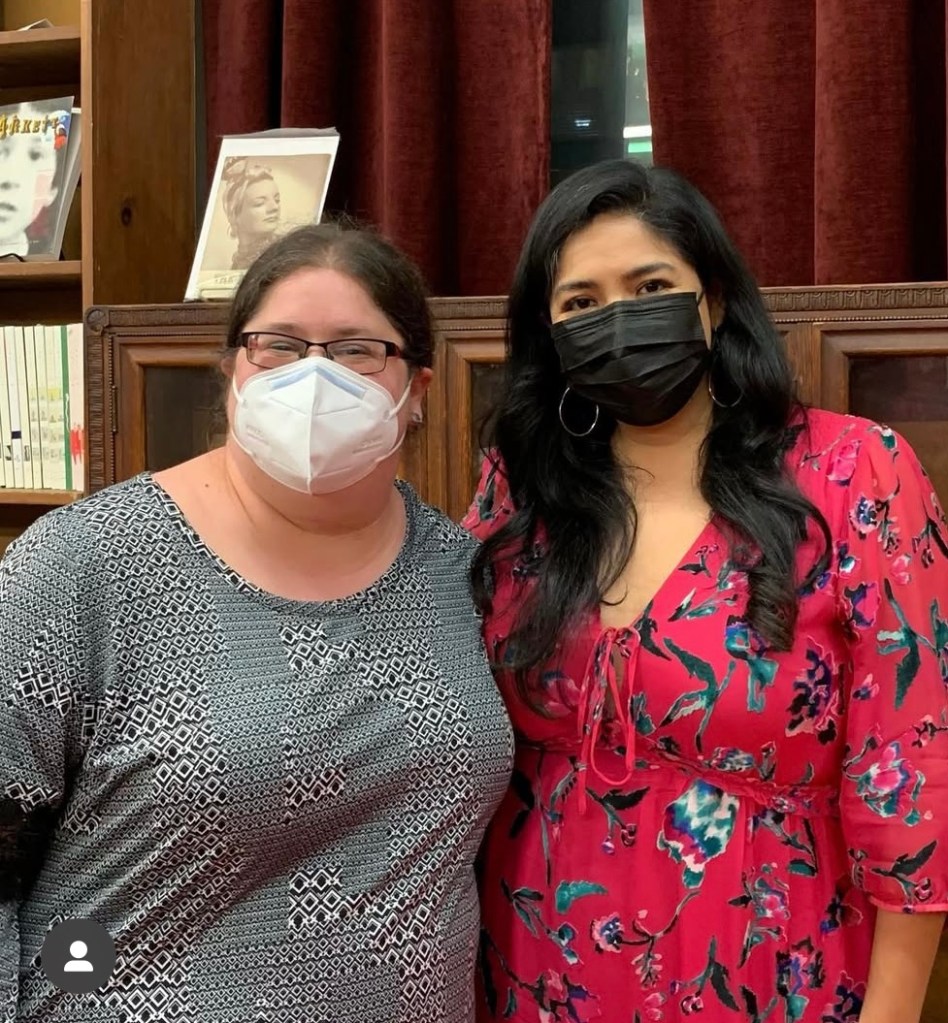
Me & Julissa Arce for her signing of You Sound Like A White Girl (left) and Jessica Knoll & me for her signing of Bright Young Women (right).

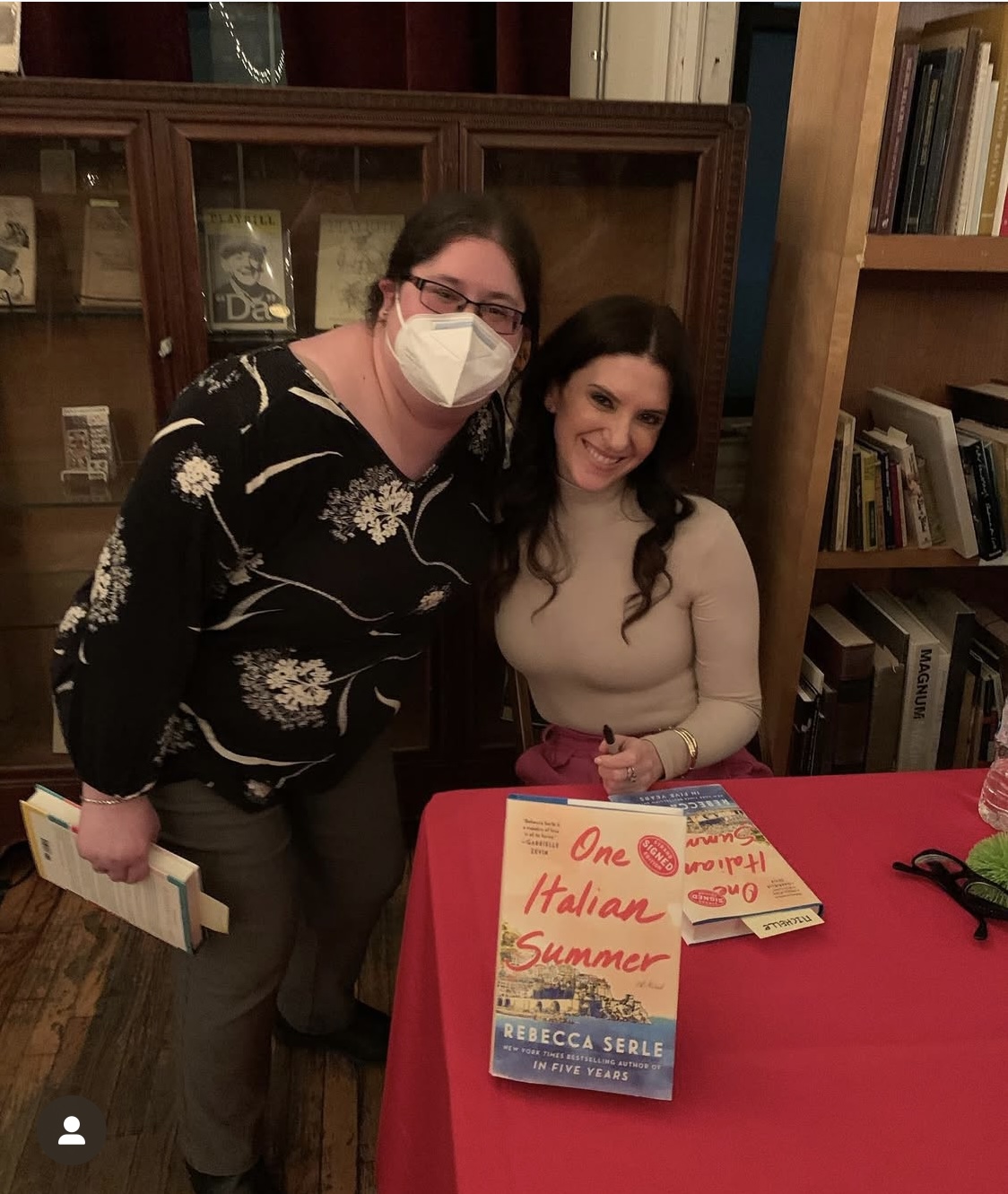
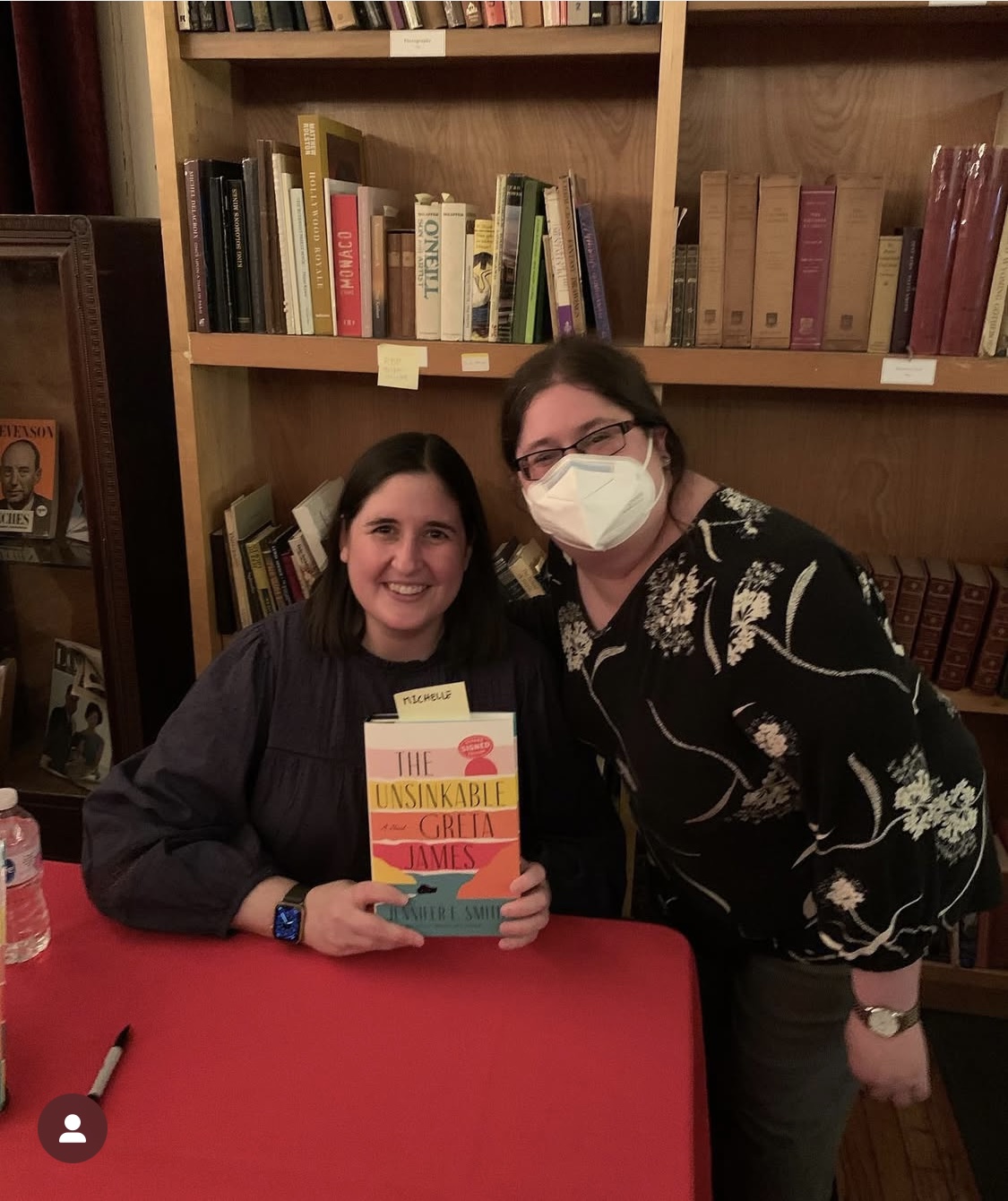
Double book signing with Rebecca Serle (One Italian Summer) and Jennifer E. Smith (The Unsinkable Greta James).

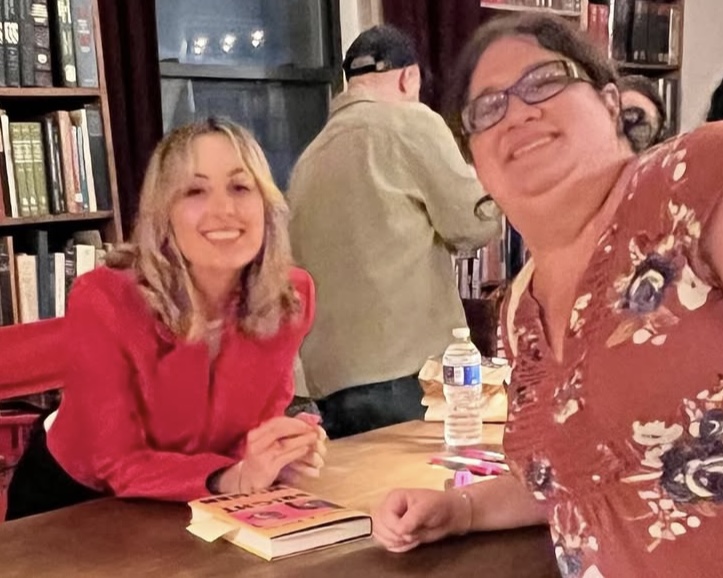
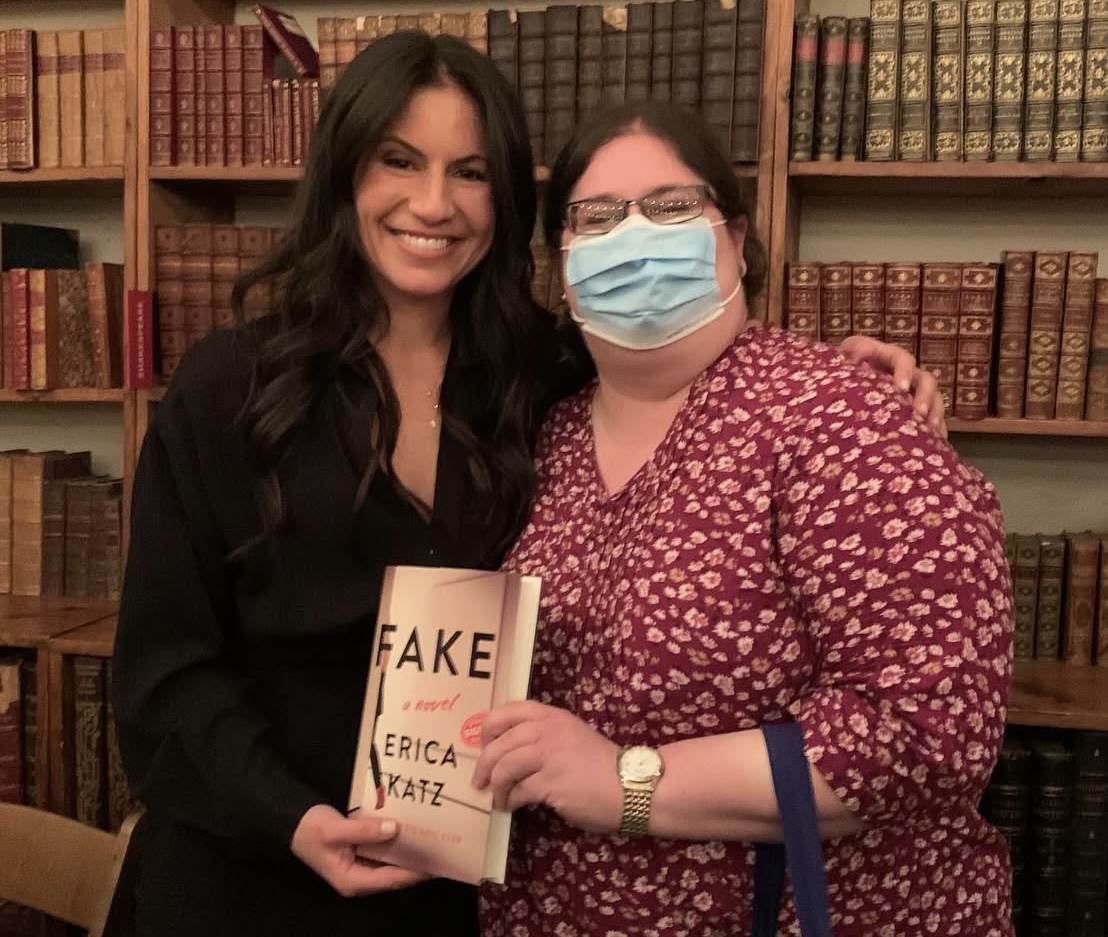
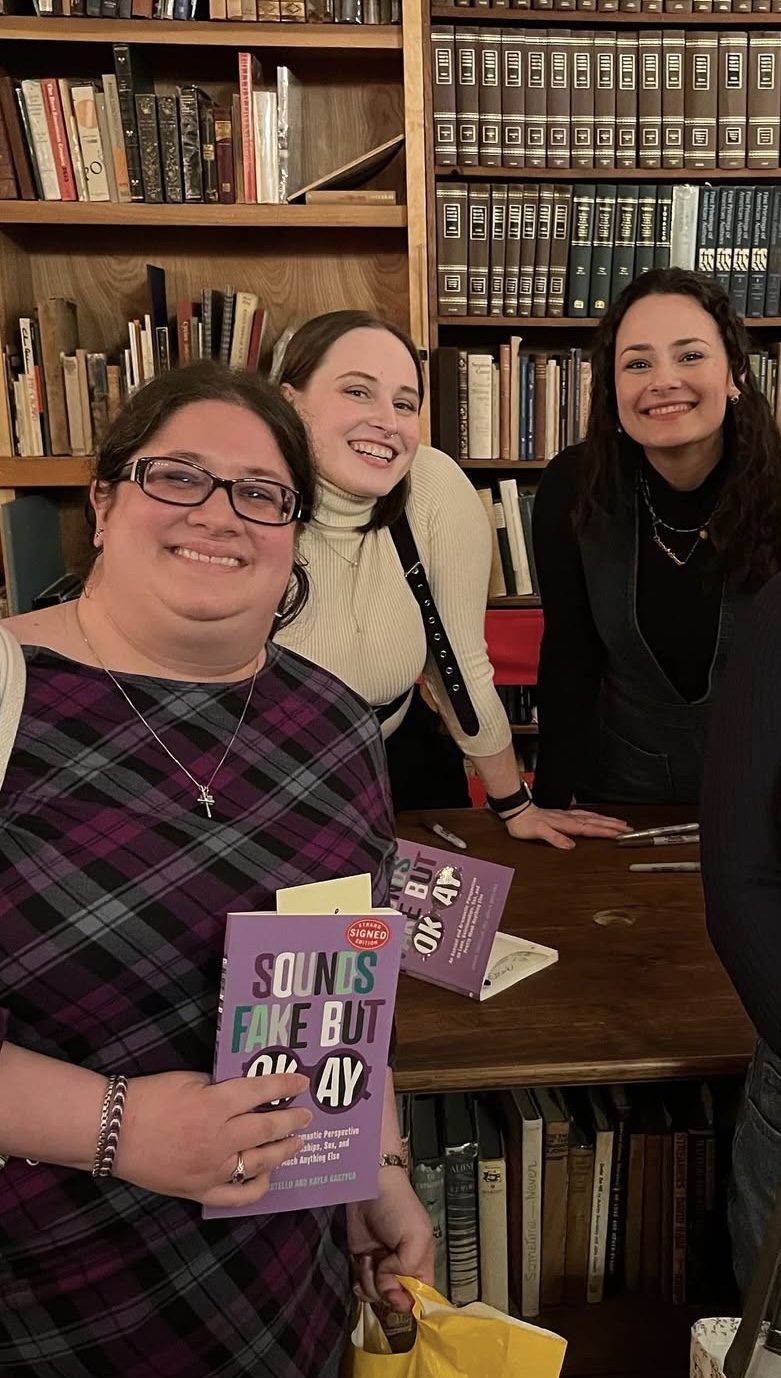
Erica Katz & me for her signing of Fake and Sounds Fake But Okay signing with Kayla Kaszyca and Sarah Costello

I hope you’ve enjoyed my photos of me and the authors, and I’ll be sure to post more as they happen in the future!

Art, Events

Creative Wellness Using Art: Financial Fitness For Artists

This was the third in this library program series that I attended with Joyce. She spoke about various famous artists and their work, as well as her own experiences. Next, she educated us about the ways artists make money from selling their work.

First, Joyce repeated her quote: “as we think, we become,” and reminded us that “actions will follow thoughts.” She said that Theo Van Gogh supported his brother Vincent’s art. She mentioned the book Dear Theo by Irving Stone. This also reminded me of when I read the YA book Vincent & Theo: The Van Gogh Brothers by Deborah Heiligman. It makes me want to give that one a re-read. It was also apparently made into a movie, upon further research.

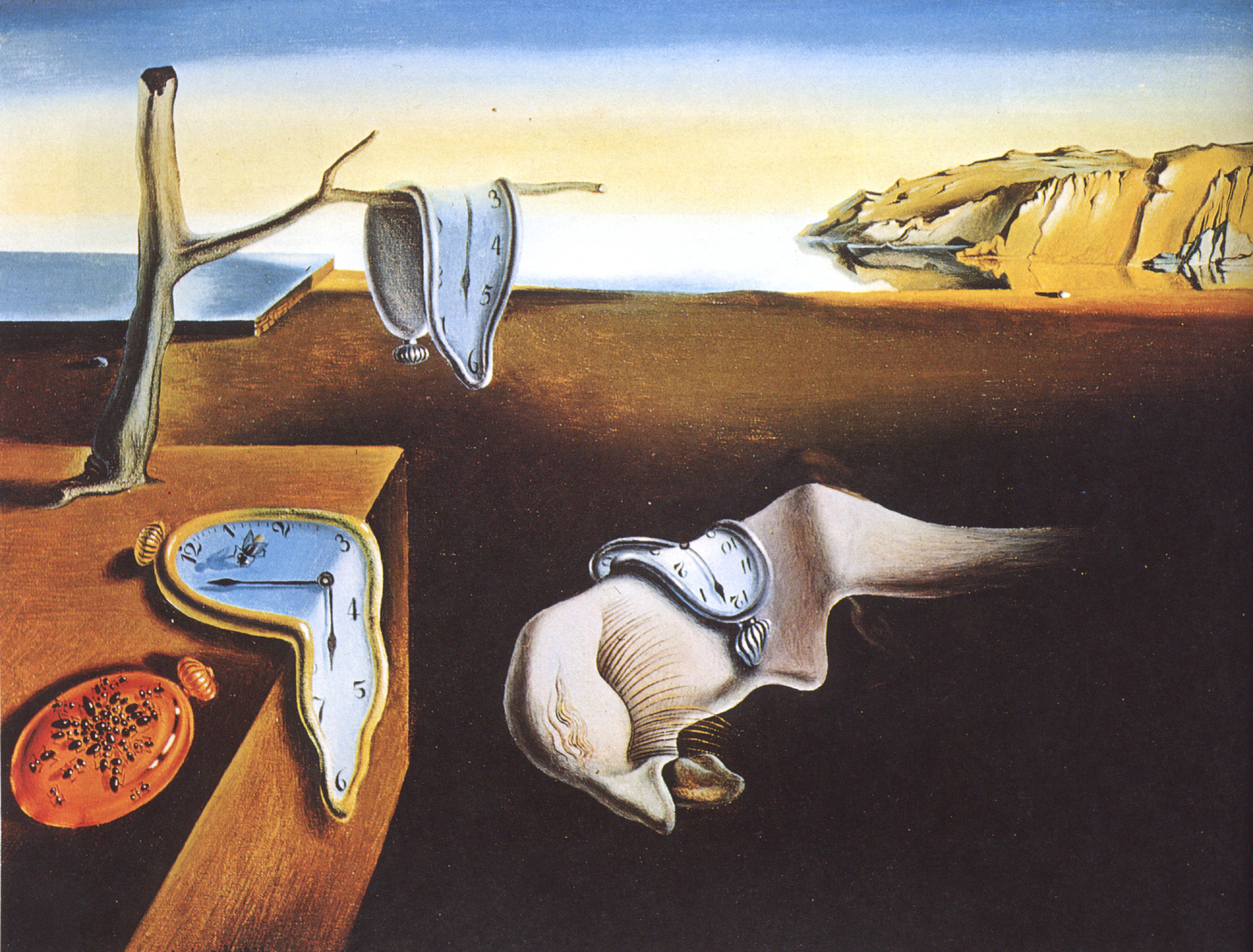
The Persistence of Memory by Salvador Dali

Joyce then spoke about the artist Salvador Dali who loved getting money for his art. One of his famous paintings, which I happen to love, is called The Persistence of Memory” (the one with all the clocks). It’s just so odd and cool to me because they look like they’re melting.

Marc Chagall was a painter who blended this sense of purpose and his spirituality with his art. He made stained glass and murals. I love the quote that Joyce shared from Alexander Calder: “Above all, art should be fun.” I went to this talk, even though I don’t really plan on selling any of my current art. Who knows? Maybe I will in the future.

Joyce told us how Jackson Pollock’s wife, Lee Krasner, promoted his art. Pollock had the highest selling painting at $8,000 which was really great because it was before 1950. Lee Krasner faced sexism, being called “Mrs. Pollock,” and never promoted herself when Pollock was alive. Lee then created the Pollock-Krasner Foundation through Pollock’s estate, and gave back once she could. You can visit it at PKF.org.

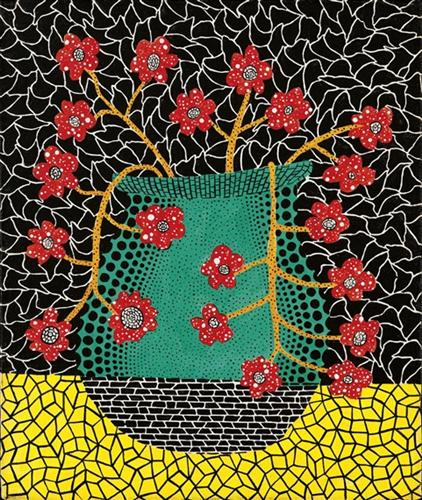
Flowers by Yayoi Kusama

Yayoi Kusama was a very interesting artist to me, because she was a Japanese artist who dealt with mental health issues, and saw dots. She then created most of her art with dots. She’s also met with sexism and racism. A male artist copied her and got three times the money and got very famous for it. However, in the 1980s, she was the highest selling female artist at the time. She’s also known for doing a collaboration with Louis Vuitton.

Resurrection by Alma Thomas

Alma Thomas was an African American woman who did the painting “Resurrection” in 1966. She started her career in her late 60s. She has a one-woman show at the Whitney Museum at the age of 81.

Here are some ways for artists to make money from their art:
-Have an art rep who can sell your work to collectors
-Get public commissions/grants with the state/locality
-Ask for help to approach or negotiate with people
-Artists have a second job a lot of the time such as being a teacher/professor of art

Art Galleries
-Commercial
-Artist-run gallery (co-op)
-Vanity gallery
-Exhibition spaces (non-profit)

Exhibition Spaces
-Restaurants
-Community centers
-Libraries
-Etsy
-Social media
-Studio visits

Marketing
-Email list
-Website
-Social Media
-Networking
-Word of mouth
-Printed materials
-Advertising
-Art rep
-Document/photograph your work
-Artist statement
-Resume/CV

Agreement With Gallery
-Get it in writing
-Read it carefully
Hire a lawyer when needed
-Get it signed!

Two last inspiring quotes from Joyce:
“Art can transform great pain into great prosperity.”
“You don’t have to be a trained artist to sell art!”

Art, Events

Creative Wellness Using Art: Inner Visions Workshop

This was the second session of this virtual library series that I attended, and it was great! First, the presenter, Joyce, gave a talk on modern art and tapping into your inner life using art. We discussed expressing what’s inside yourself, your feelings and emotions and your inner child. Joyce said what you create mimics what’s within.

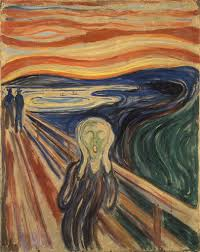
The first artist we examined was Van Gogh and his famous “Starry Night” painting. In it, he exaggerates emotion and projects his inner turbulence. Then she also pulled up “The Scream,” by Edvard Munch, whose painting was ridiculed at the time for being too dark. Joyce mentioned that artists play with the theme of perception, and that we see everything from our own lens.

We also examined the works of Picasso, Marc Chagall, children’s author and illustrator Faith Ringgold, Frida Kahlo, and Andre Masson. Joyce also mentioned Dali, Roberto Matta and Hilma af Klint, as well as Pollock and Krasner.

Joyce then invited us to pick a technique (such as surrealism, impressionism etc.) and try it out for ourselves.

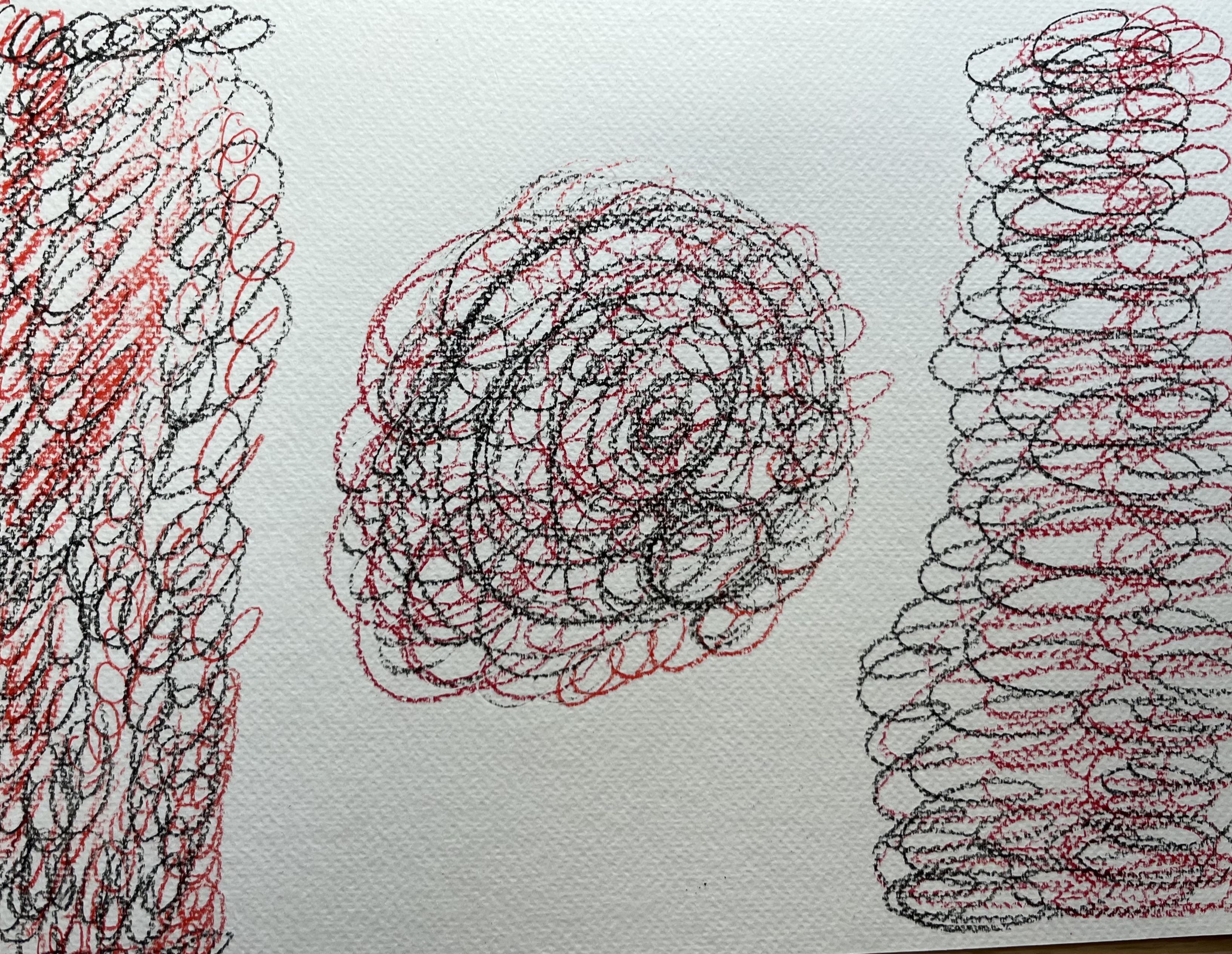
Below is the drawing I made during the program, and I call it: “Anger.” I made it using the “automatic drawing technique,” where you just let the art flow from your pencil.

Reflection:
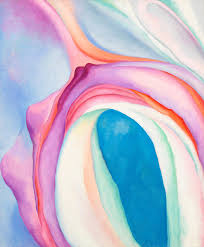
I personally love Georgia O’Keefe’s art, specifically her colors, and I plan on getting some art books out of the library so I can look at them more closely as soon as I can. This is my favorite painting of hers:

Events

Spanish Conversation at the Library

I attended my first Spanish Conversations group virtually at the library.

When I was a Spanish speaking librarian serving adults, I used to run a program just like this. It was during the pandemic so I did it on Zoom as well as in person.

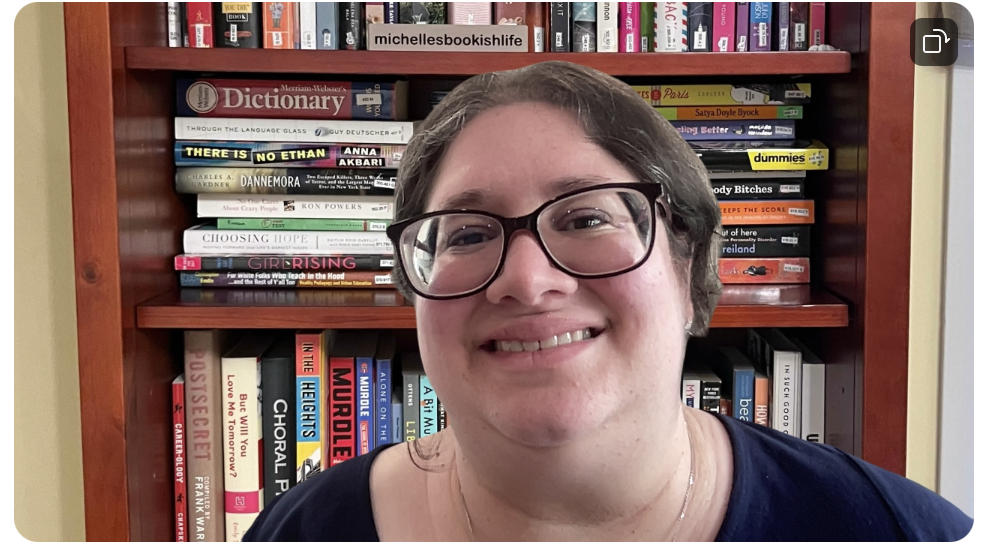
Maria Cristina used to live in my area, but she now lives abroad in Latin America, and that’s why the program was moved online. I kind of love that it’s online, though, so people are able to connect from anywhere, and so I can do it right from home. Also, I’m super happy that I figured out how to make a photo of my bookshelf my Zoom background!

There was only one other lady there besides Maria Cristina and me, but we still managed to fill the hour with lively conversation. Maria Cristina also brought prompt topics to speak about, and one we used was: “describe your dream home.” It was fun to imagine what my dream library would be like – not unlike the one I have, except I’d add a rolling ladder!

Reflection:
This program is biweekly, and I’m looking forward to logging on next time for more Spanish practice!

Art, Events

Art Programs at the Library

Dried Flower Bookmarks

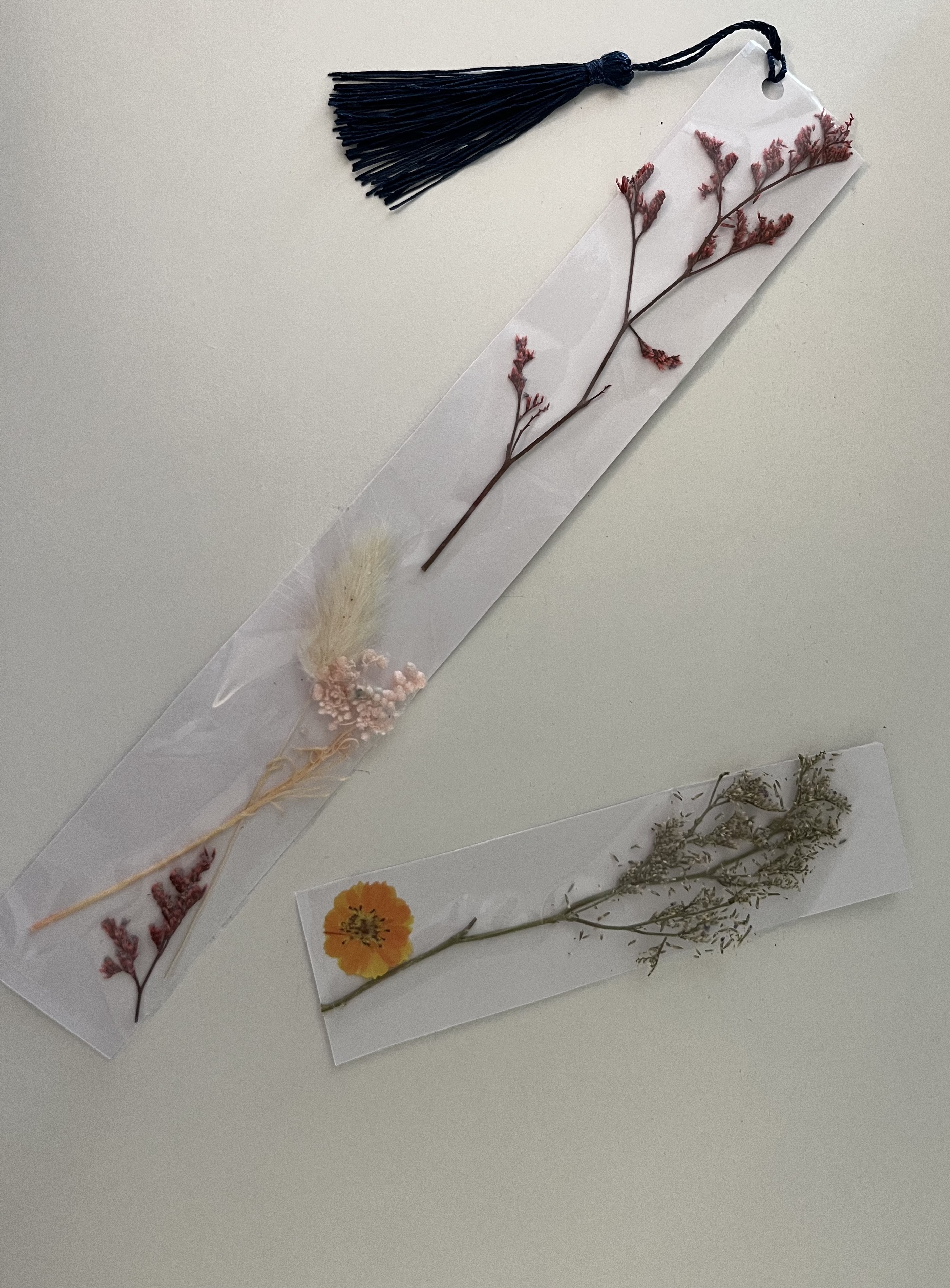
I went to a dried flower bookmark making program at the library. We used card stock for the bookmark canvas, and put dried flowers onto the card stock. We could also add stickers or draw on the paper. Then we put contact paper over it so that it stayed together and had the shiny look of a bookmark. We also were able to add tassles to the bookmarks using a hole punch to attach them.

I made two bookmarks, one long and one short, and I did dried flowers on one side of each, and flower stickers on the other side of each.

Reflection:
This program was simple yet brought out the joy of the spring! Some people made a few bookmarks, and intended to give them as gifts to their friends and family. I never did this before, and don’t think mine came out that good, but I think it was still fun.

Mindful Art Workshop

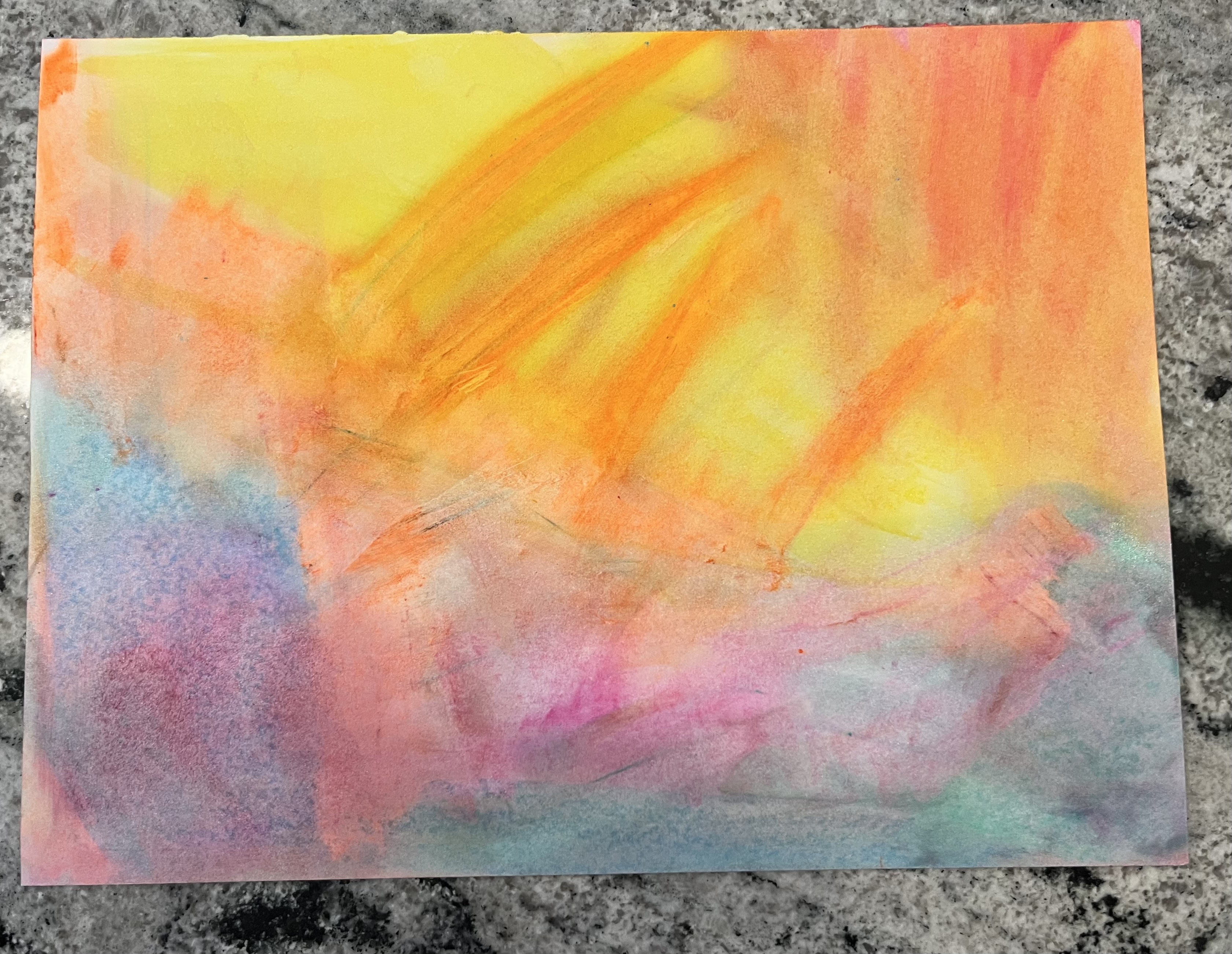
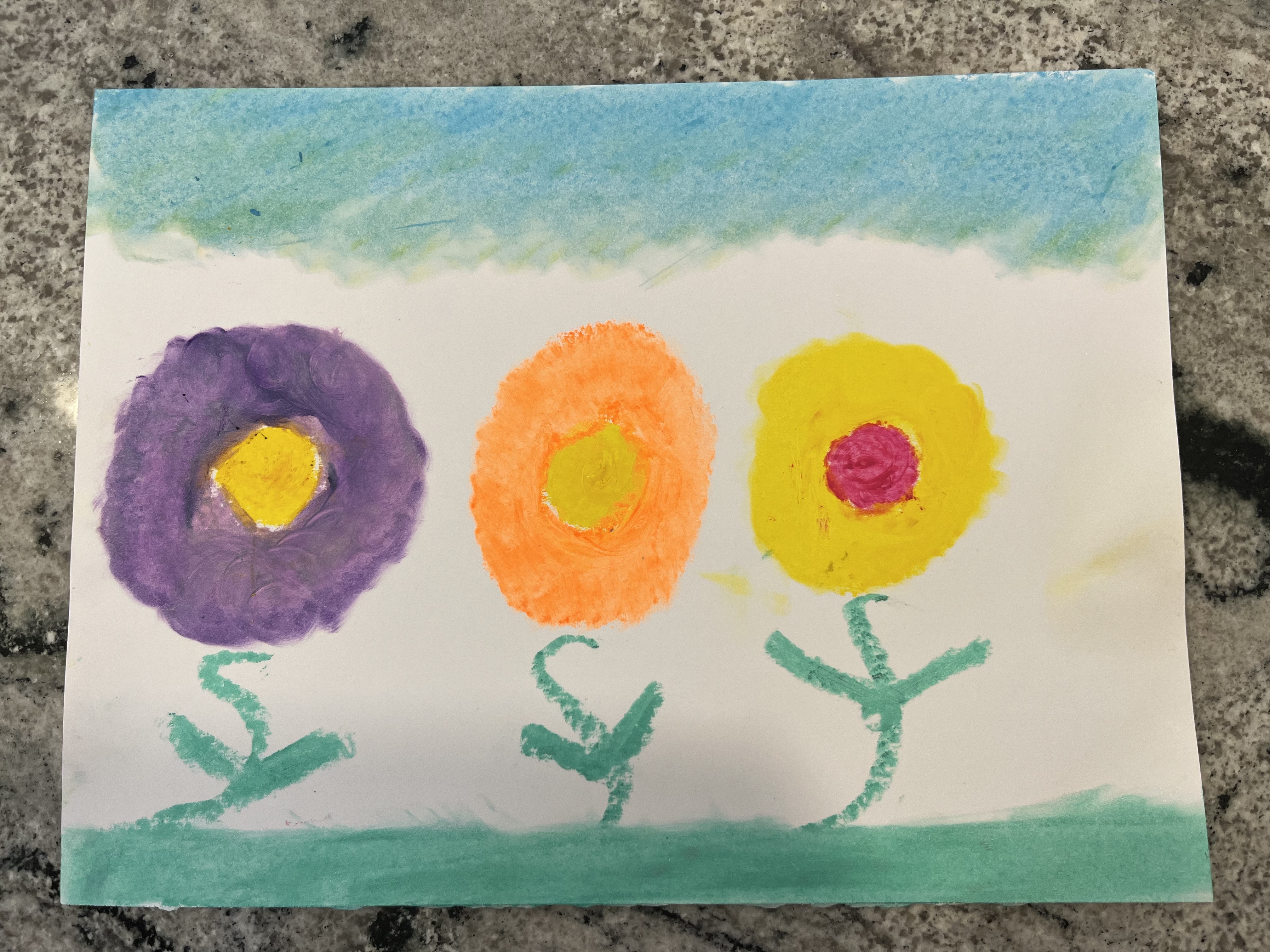
This was a very chill art program with all kinds of art supplies. I used writing tools called “gelatos” and they were kind of like crayons, except more creamy. You could spread and blend them with makeup sponges and also add water to make them like water color paints. I thought it was very cool! We spent a good hour doing that, and I came away with two pretty art pieces, if I do say so, myself.

Reflection:
I thought this program was very relaxing, and I’m thinking about buying myself some gelatos and sponges so I can do this at home whenever I want.

Events

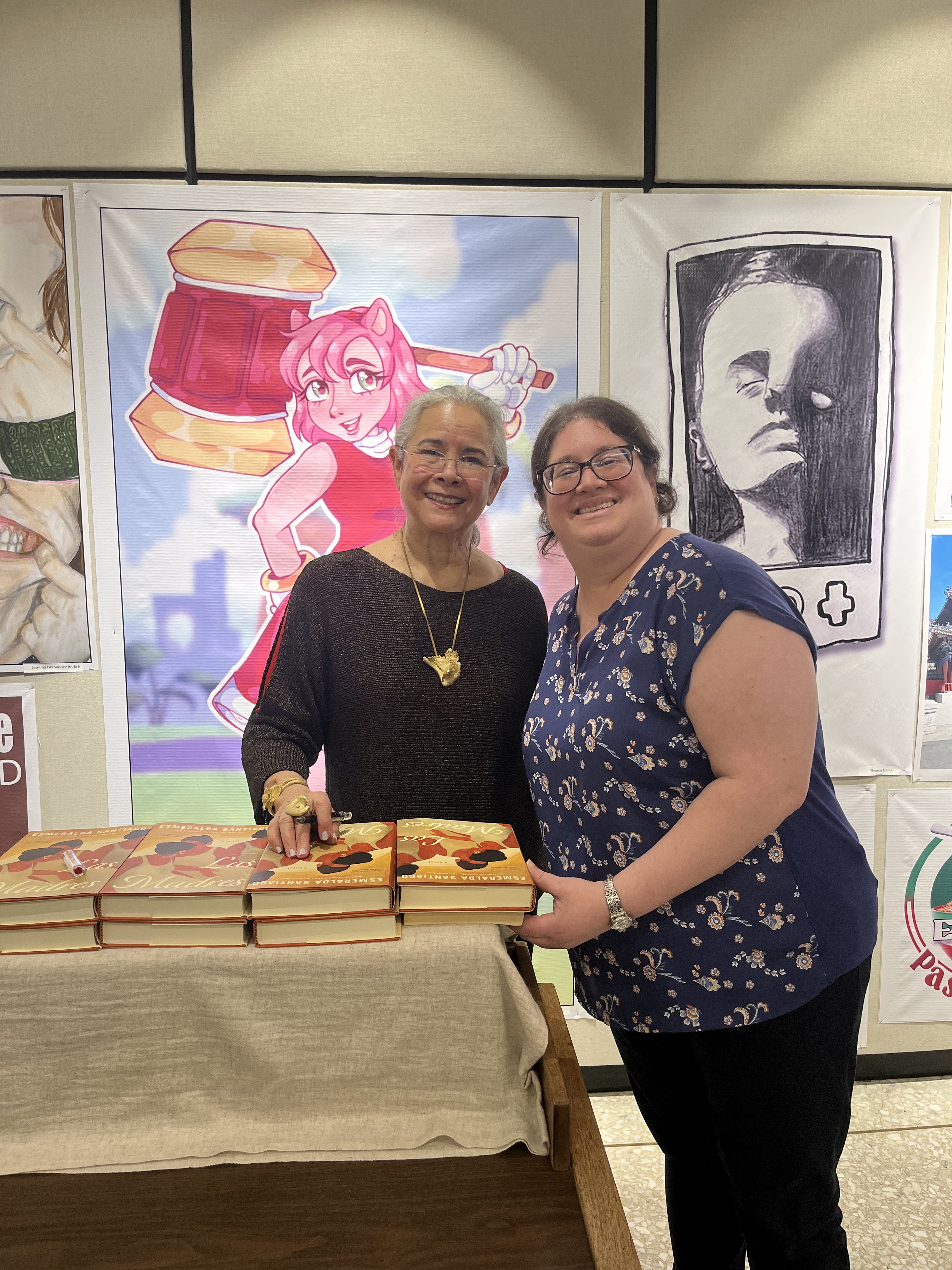
Author Visit: Esmeralda Santiago

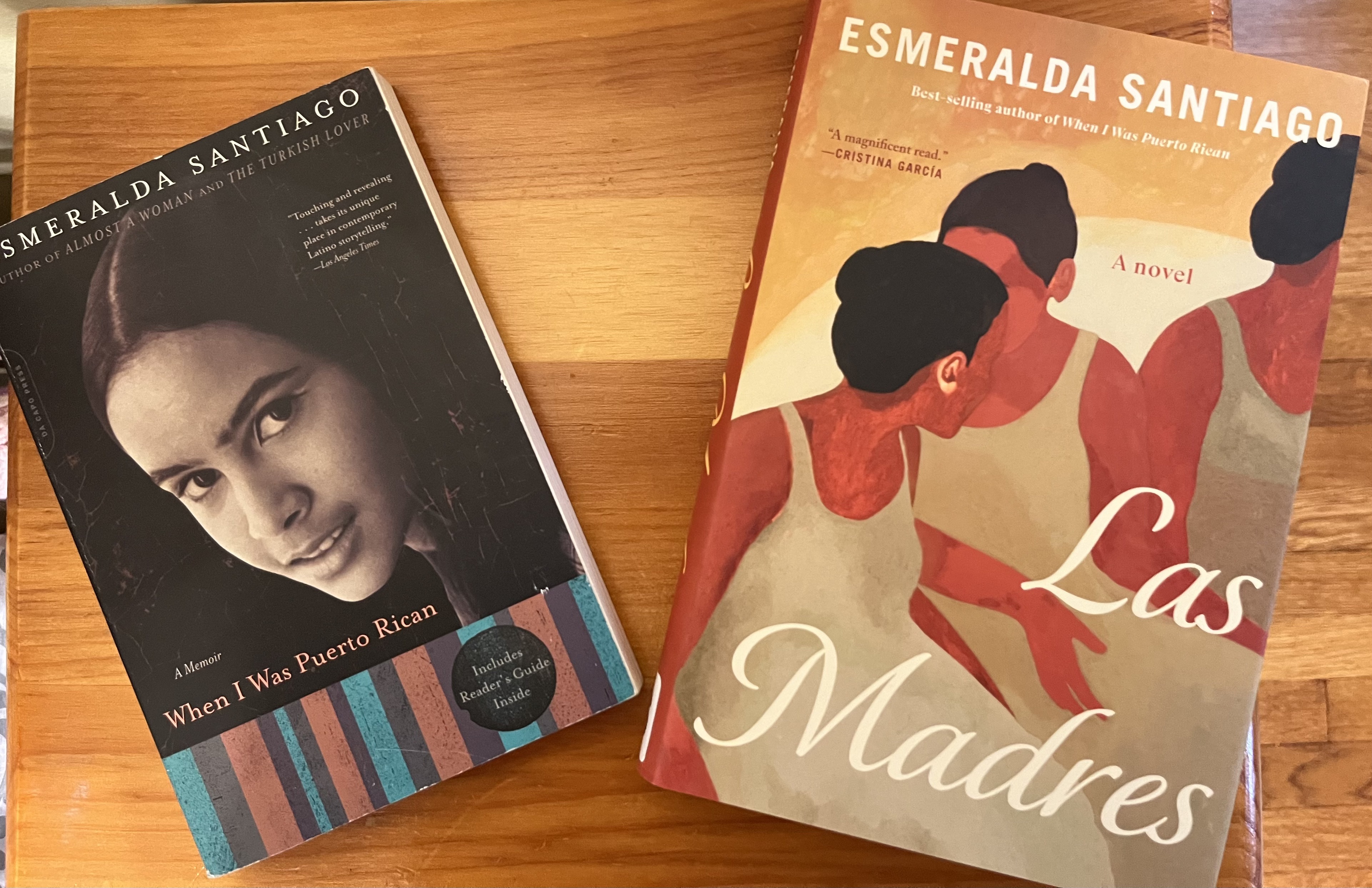
I’ve read every one of Esmeralda Santiago’s books and I started reading her back when I was a teenager. I just love her writing! My favorite has to be her famous memoir, When I Was Puerto Rican.

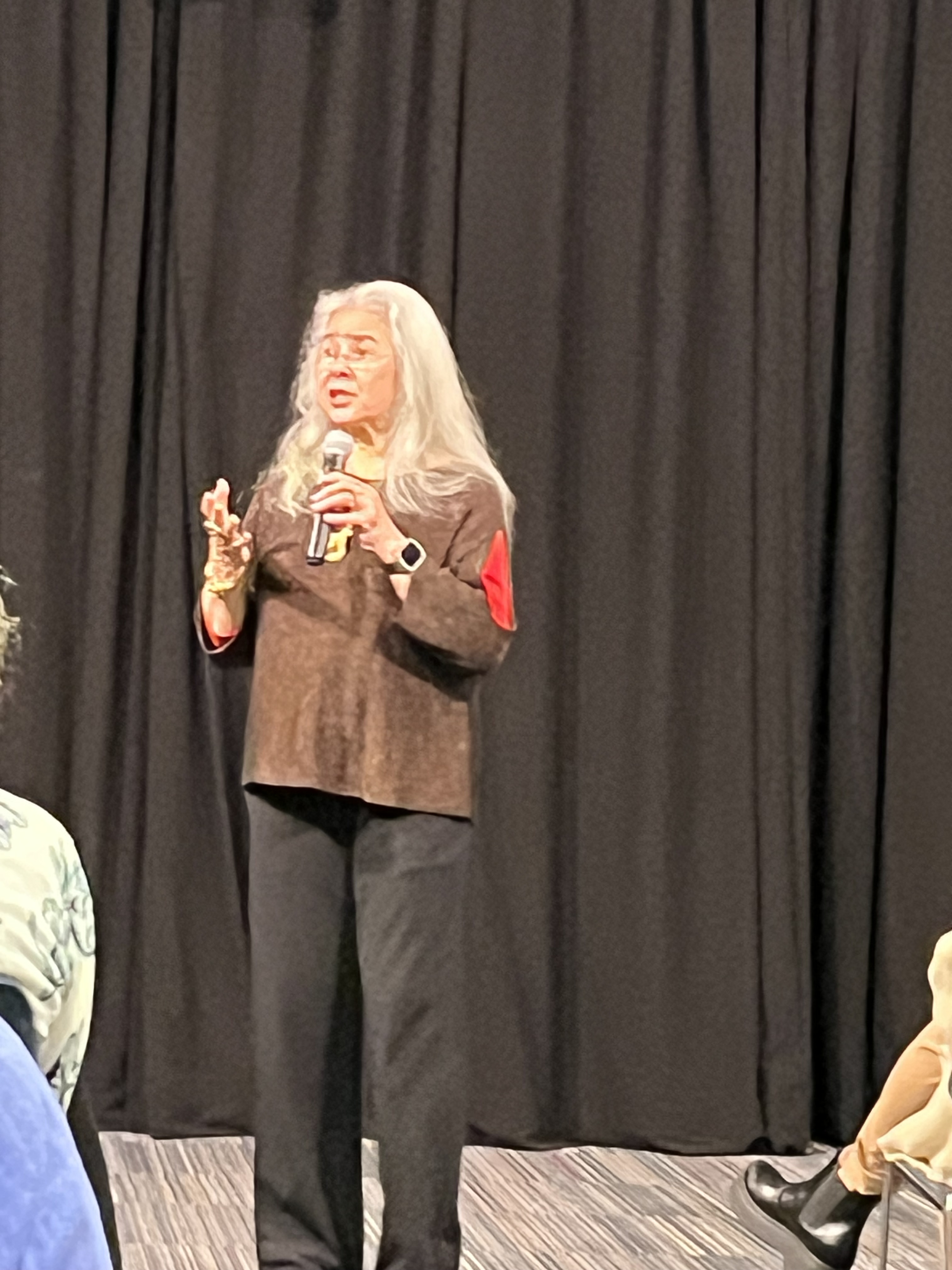
I finally got the chance to hear Ms. Santiago speak and meet her at a local public library when I attended her author talk and book signing yesterday! The entire event was about an hour and a half. She spoke for most of it, and took audience questions. She also read from some of When I Was Puerto Rican.

She’s currently in her mid-70s, and moved to the US at 13 with her single mother and 6 siblings (at the time; she’s now the eldest of 11 kids!) She went to Harvard on a full scholarship (except for room & board – tuition only) and also worked 40 hours a week while doing it and she graduated summa cum laude!

Reflection:
Esmeralda Santiago was a great speaker, and funny, too! I’m so glad I was able to attend the event, and I hope I get the chance to meet some more of my dream authors!