
Books, Events, Nonfiction

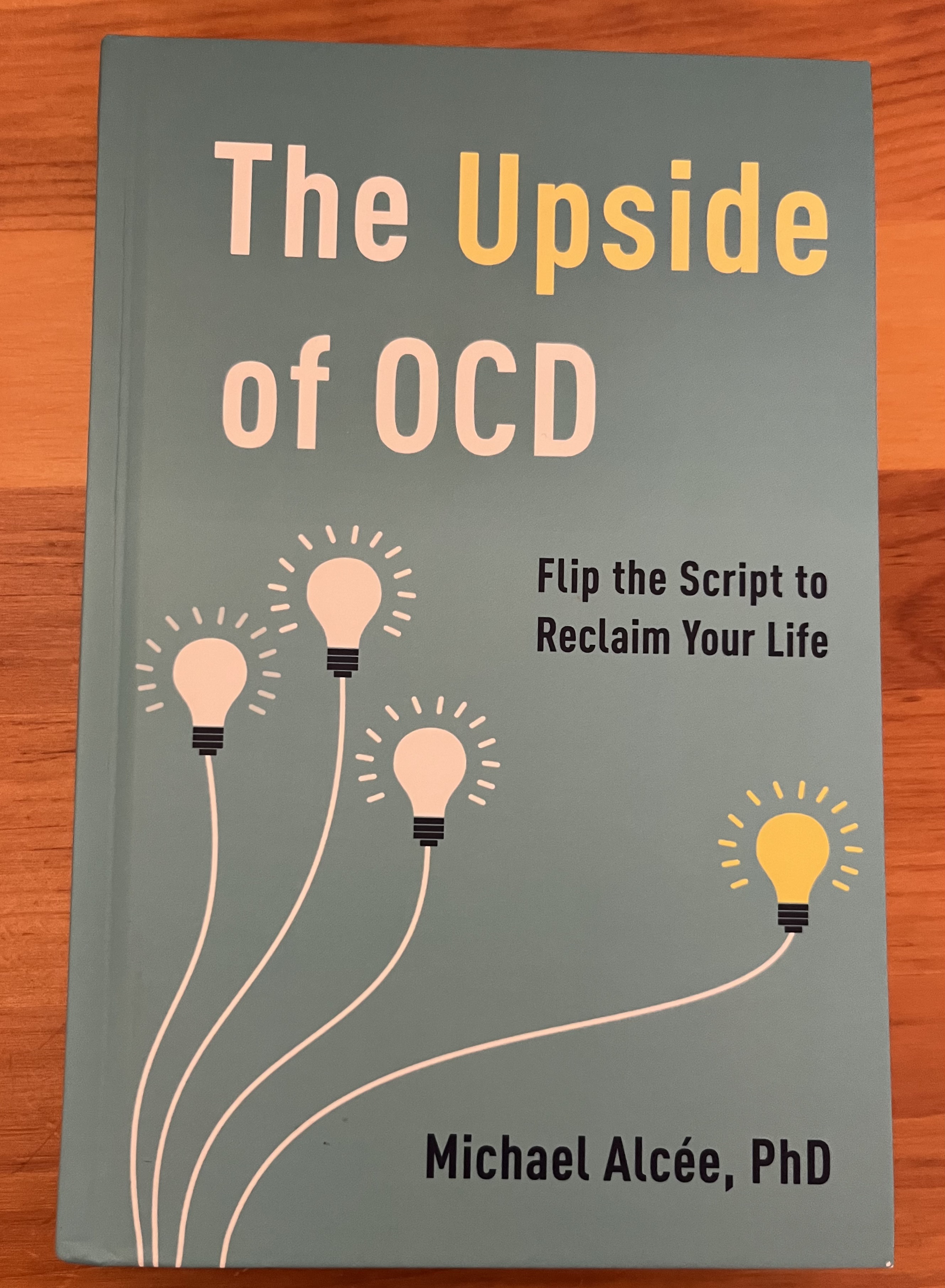
Author Event: The Upside of OCD by Michael Alcée

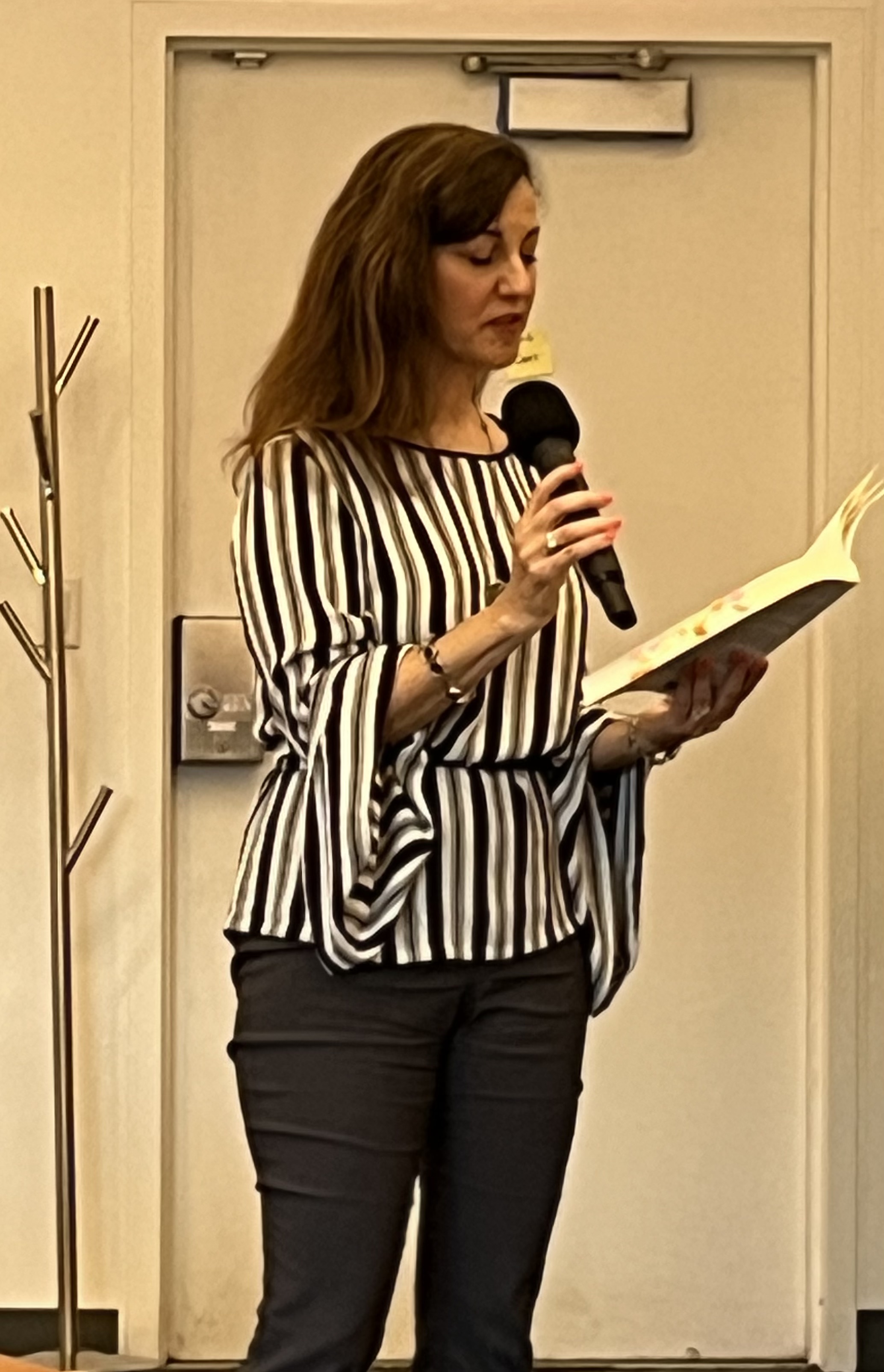
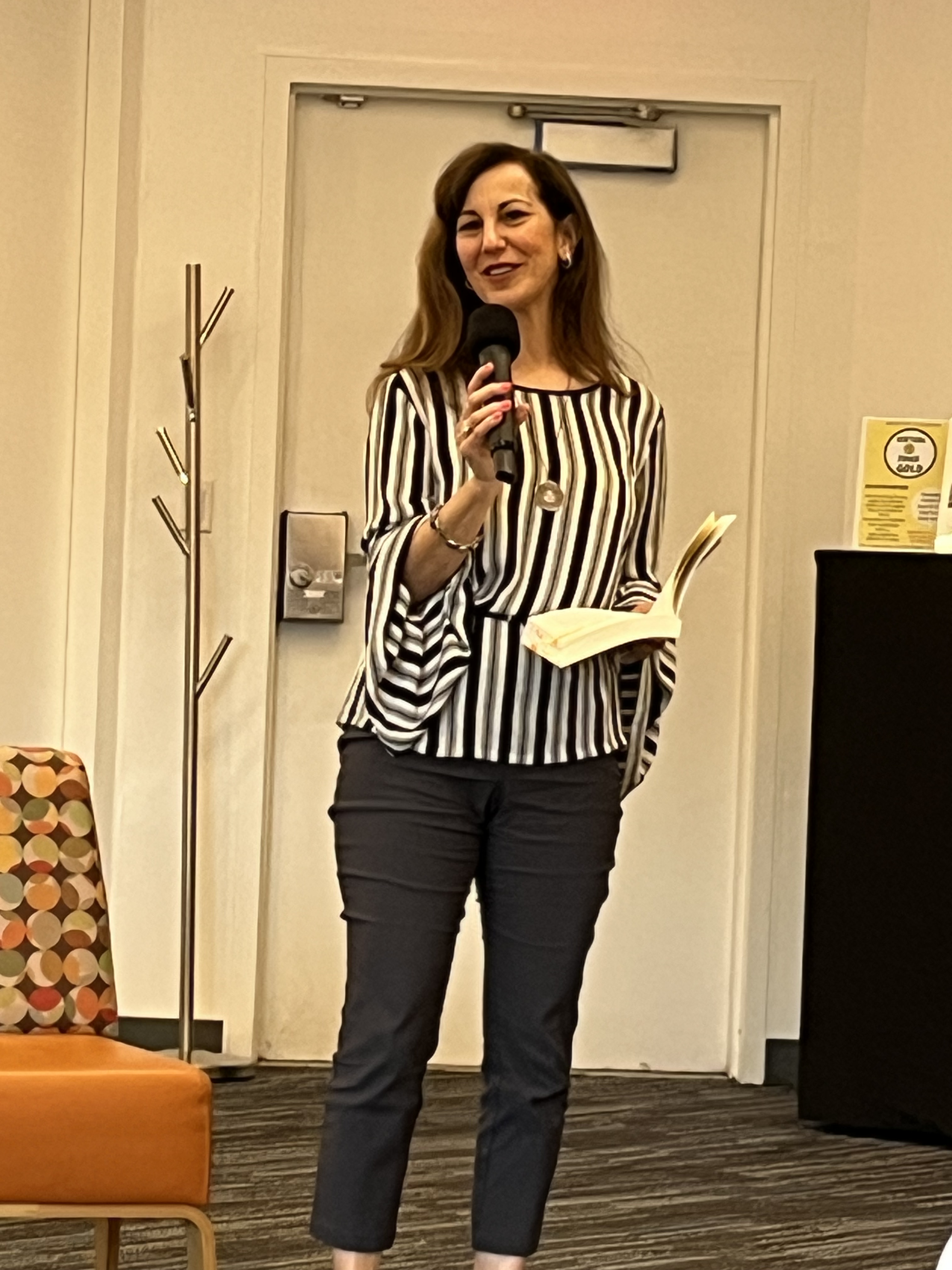
I attended an author talk and signing at the library with author Michael Alcée, a clinical psychologist and mental health educator who wrote the book The Upside of OCD: Flip the Script to Reclaim Your Life. What drew me to the talk is that I actually have OCD, as do people I love. That was the case for most people in the small group who came to the talk.

It was great to hear the good things about OCD, and the positive qualities people with OCD have, but also a bit about how to heal the bad parts. I resonated with a lot of what was said, and I can’t wait to read the book.

First, Michael talked about the famous people who have or had OCD:

Charles Darwin, naturalist/geologist
Camila Cabello, singer
Howie Mandel, comedian/actor
John Green, young adult author
Mara Wilson, child actor

People with OCD are:

  1. Kind and empathetic. People with OCD have a lot of emotional sensitivity, and it’s said that they have hearts that are 10 times too big. They’re very concerned about others and they’re too hard on themselves. They’re also very intuitive.
  2. They’re extremely imaginitive and they have creative minds. They have “what if” thoughts (negtive) but also “why not” thoughts (positive).

Freud says that people with OCD have a conflict with their id: they’re scared of self interest because it feels selfish.

Also, there’s a genetic part to OCD – a nature part, as well as a nurture part. People with OCD are existentially aware; death and loss is very prominent in their minds.

Michael says that OCD “does your dirty work.” In other words, it manages your boundaries. He gave the example of a woman and a man at work. The man gently shoved the woman, and then she obsessed over it, instead of just telling him that it had bothered her that he’d done that, that she hadn’t liked that. To her, it felt too aggressive to bring it up to him, so she kept it to herself.

Michael mentions that people with OCD should, but rarely do, give themselves as much empathy as they give to others. According to Michael, “you can only be selfless for so long before you start to take up space.”

I thought Michael’s talk was incredibly eye-opening and informative, and I am very much looking forward to reading the book! As always, when my review of the book is up, I’ll link it here.
Art, Events

Creative Wellness Using Art: The Art of Happiness

This is the penultimate art talk in this virtual library series with Joyce. This week it was all about the art of happiness. Joyce talked about various artists who painted happiness in their art.

A piece of Monet’s early art was the “Garden at St. Andresse” (1867). It was a seaside painting, showing going to the beach as a leisurely activity for the first time. This was a modern idea. It’s a scene of happiness and joy.

Another piece of Monet’s is “The Artist’s Garden at Giverny” (1900). It is capturing a moment in time, and one is happy to be in nature because it represents spirituality, still and quiet.


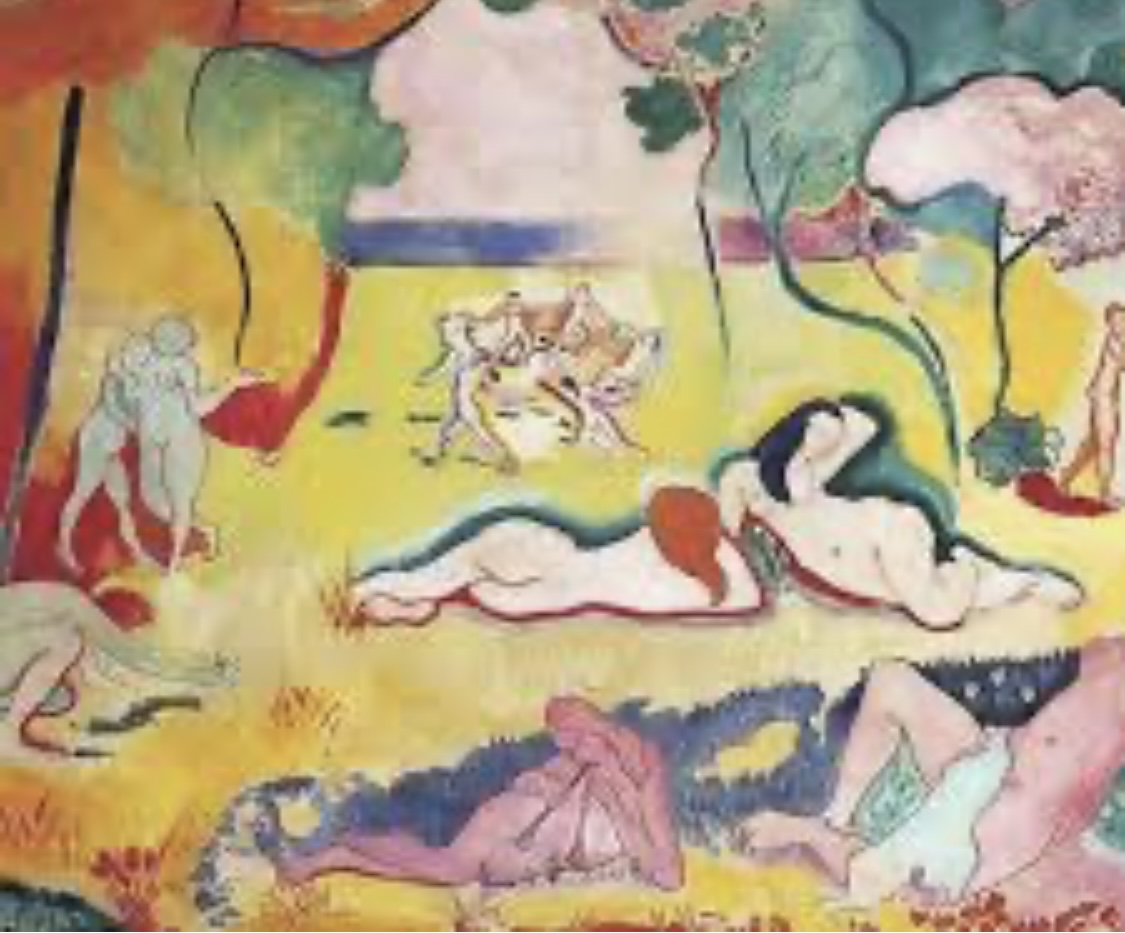
Henri Matisse painted the “Joy of Life” (1906) – the colors were free from reality – for example, the grass is yellow instead of it’s normal green color.

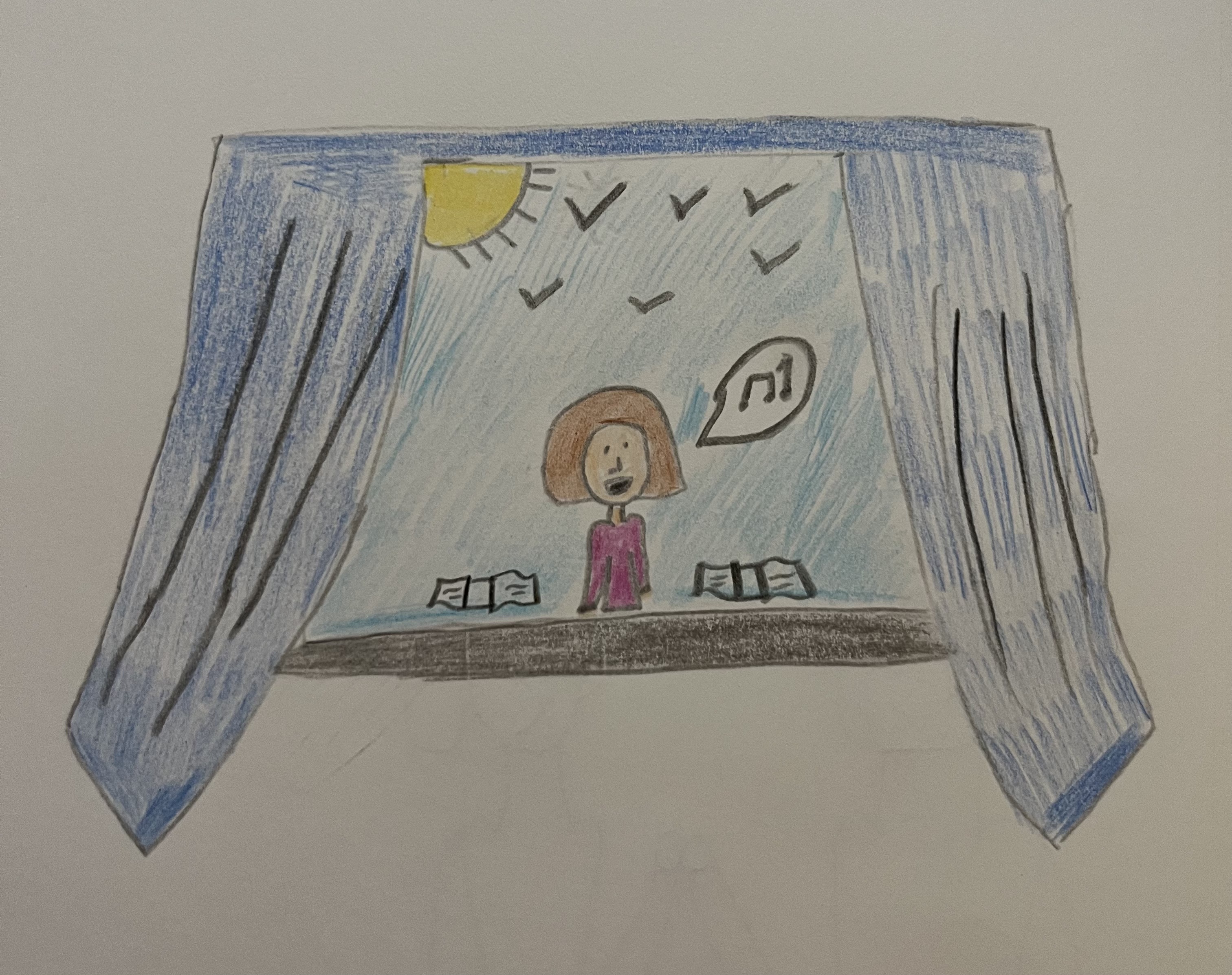
Lastly, Joyce asked us to draw joy, and/or what brings us joy. I chose to draw myself in a window scene, singing, surrounded by my books.

Art, Events

Creative Wellness Using Art: Trauma & Art

This week’s session was about trauma and art, and Joyce led us through various artists who have had trauma in their lives and have used their art to heal.

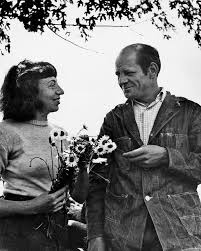
First she spoke about Jackson Pollock and his psychoanalytic drawings he did in therapy for his alcoholism. She spoke about how you can bring out your subconscious through art. While he was sober, Pollock did drip paintings, which was considered abstract expressionism, and he flung the paint onto the floor and released his energy. He and his wife Lee Krasner were action painters.

Krasner dealt with Pollock’s tragic death with her art, and she used her whole body in a sort of rhythmic dance while painting while she created. She said that you can’t have a plan or control it, and that the art is like a force or energy that moves through you. It’s a form of surrender.

Hilma af Klint, a Swedish artist, used to paint landscapes and portraits. Then she loses her sister and began to make abstract art after this trauma. There were seances that were performed around Hilma, and she did paintings that came automatically through her while she painted without questioning anything.

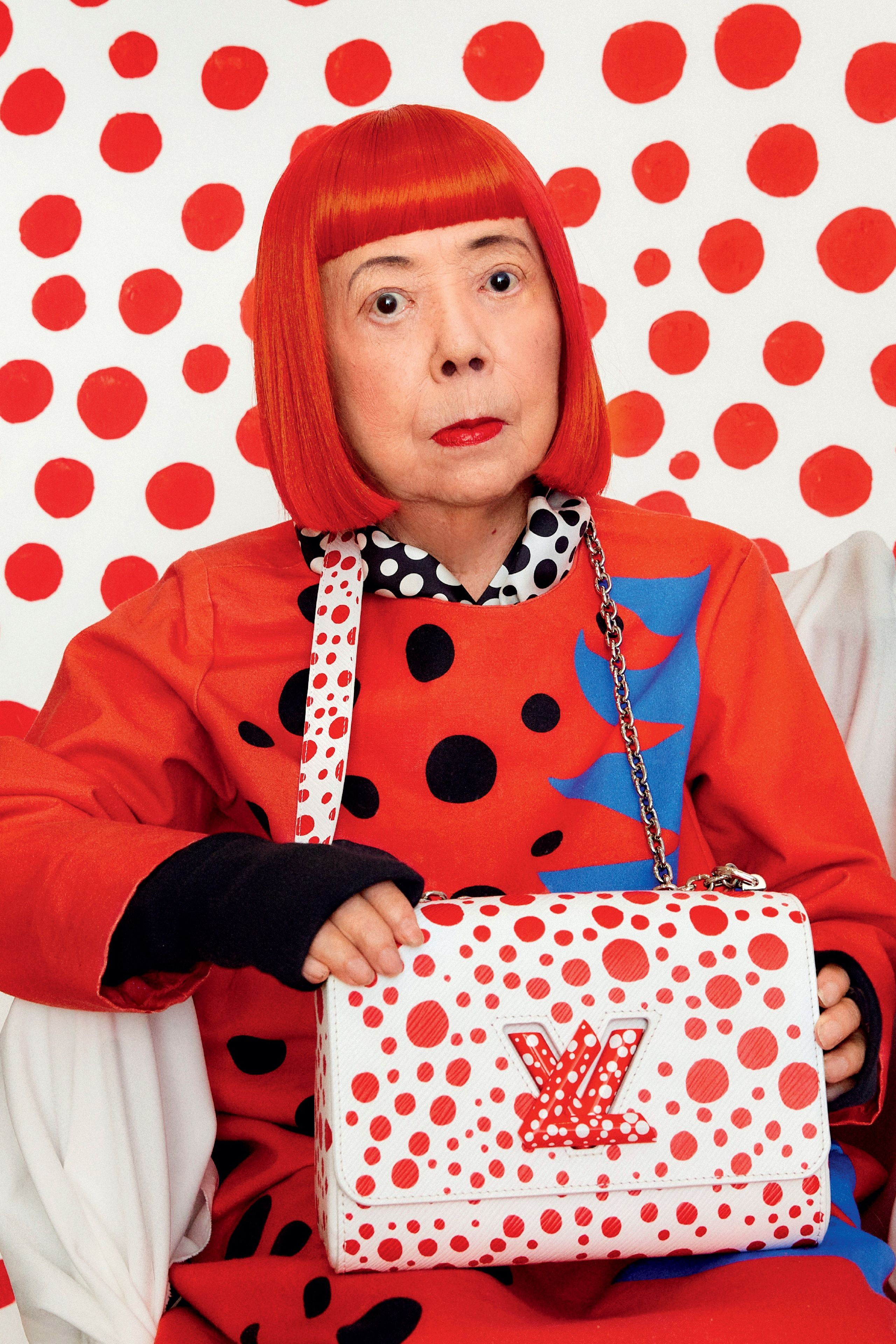
Yayoi Kusama is a Japanese artist who does everything from fashion to mosaics to performance art and paintings and drawings. She was unfortunately abused as a child; her mother asked her to spy on her father while he was cheating on her mother. Her mother also made it known that she didn’t approve of Kusama’s art and often tore it apart. Kusama had a psychotic break as a teen, and began seeing dots, which she incorporates into her art. She now perminantely resides in a mental health facility in Japan and creates art in a nearby studio.

Frida Kahlo had a bus accident at the age of 18 and a metal rod went through her pelvis. She had 40 surgeries throughout her lifetime, and died young. She was able to paint in bed while she was healing.

Pablo Picasso created art that showed the suffering of the world. One of his paintings is of the Weeping Woman, which showed what the world is feeling, and another is his famous Guernica, which shows the horrors of war.

Books, Events, Latinx, Nonfiction

Author Event: David Grann & Ross Halperin in Conversation: “Bear Witness”

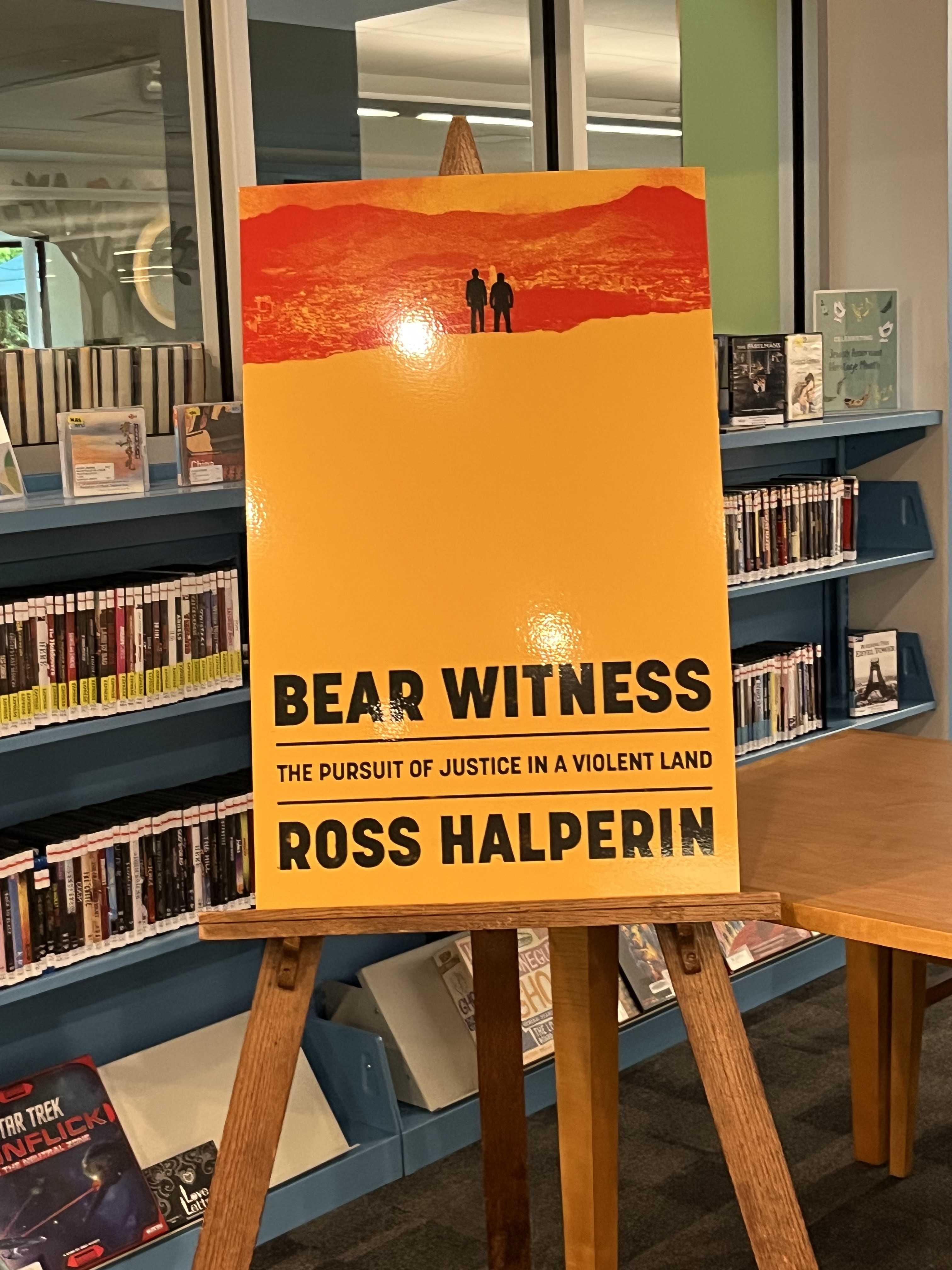
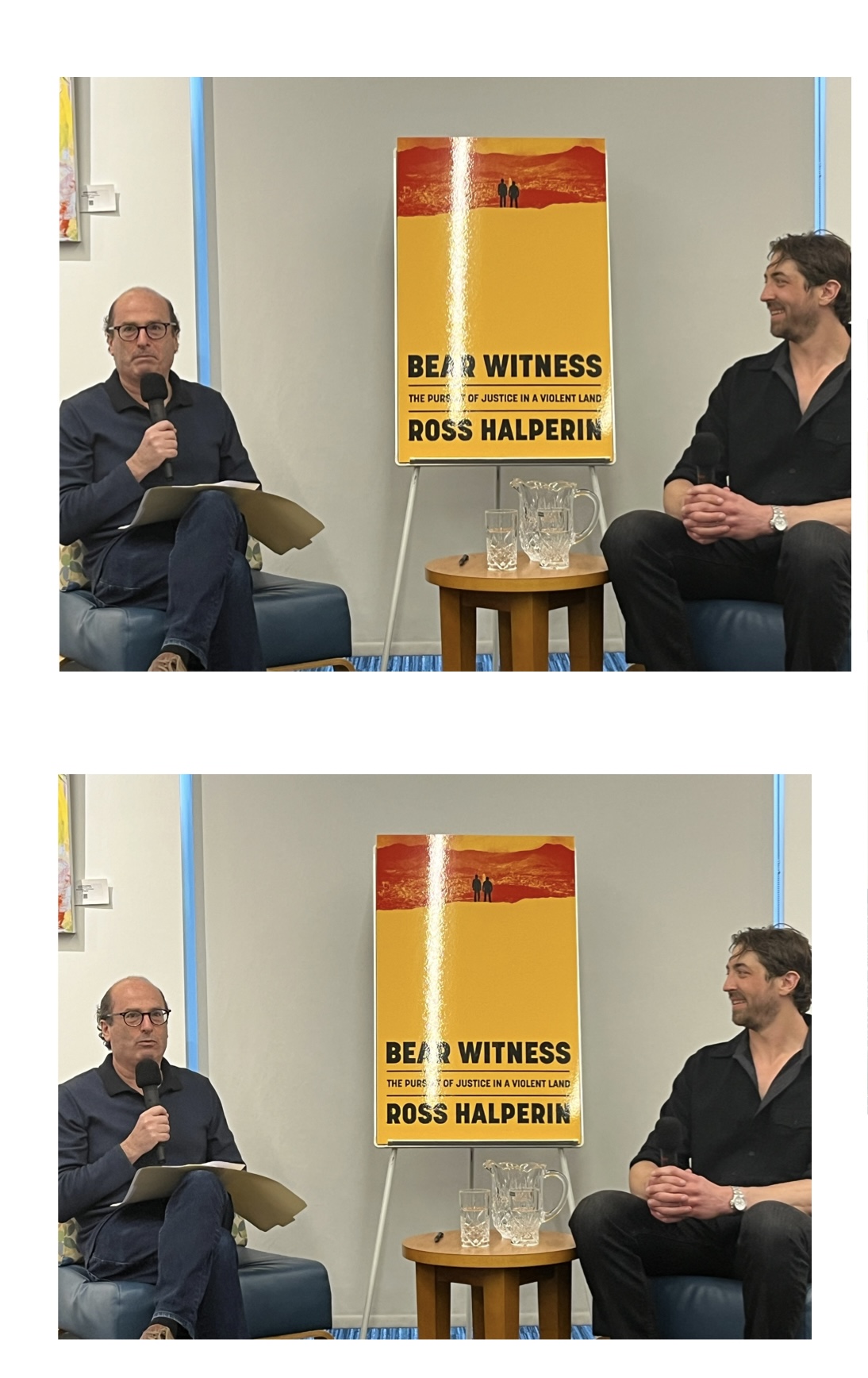
I went to a fantastic author event where author David Grann (who wrote Killers of the Flower Moon and The Wager) interviewed journalist Ross Halperin about his new true crime book Bear Witness: A Crusade for Justice in a Violent Land.

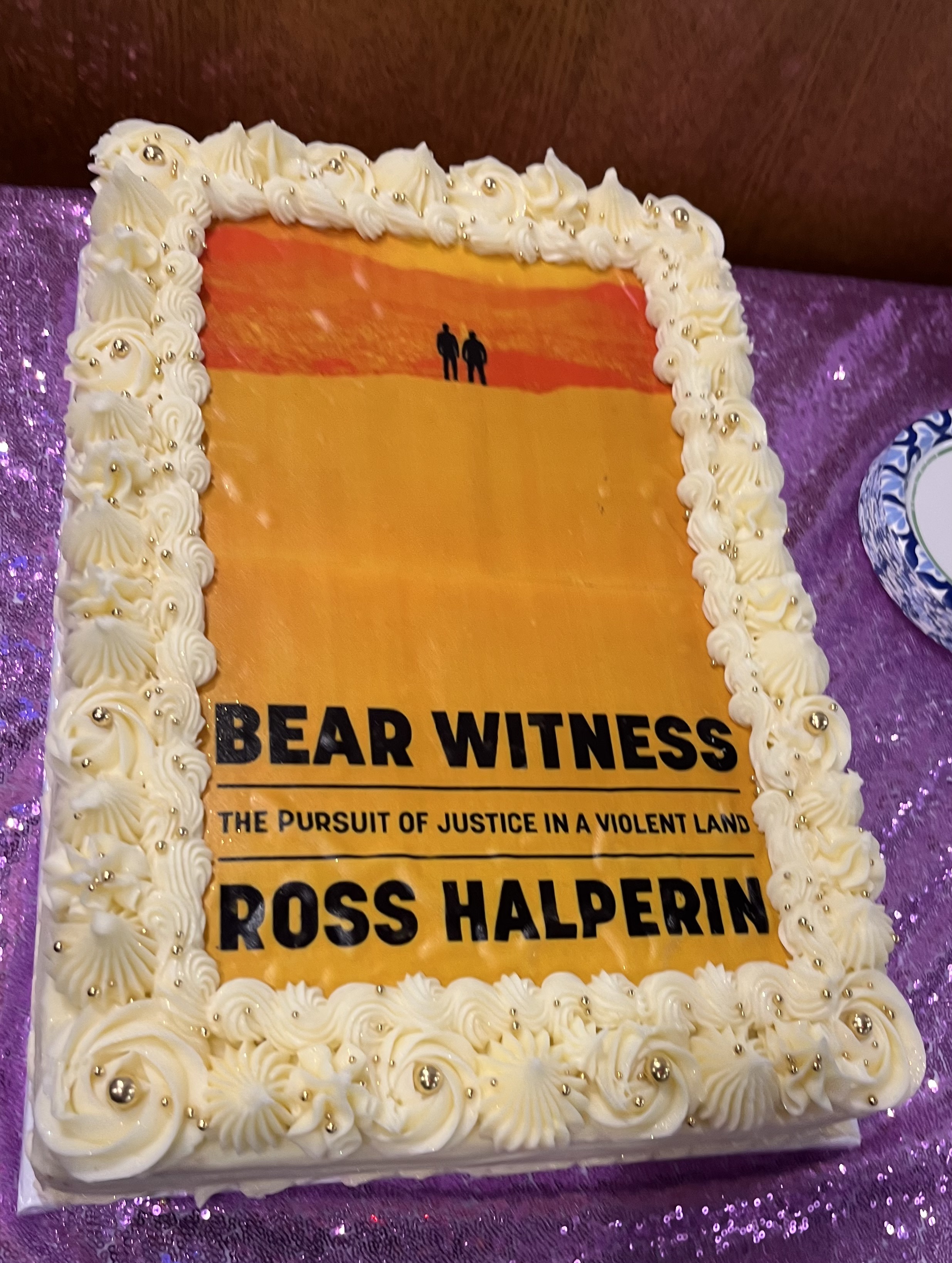
Ross is the son of Richard E. Halperin, a man who a local library building is named after, so it was pretty special to welcome Ross to the library for this event. The library had a restaurant come in and serve arepas with pork as well as drinks for purchase. They also had an awesome red velvet cake at the end which had a photo of the book cover on it. It was a very fancy after-hours event!

Bear Witness took Ross years to write and countless hours of research and interviews and cold calls, including the one he made to David Grann. The book is about two Christians, Kurt Van der Beek, an American sociologist, and Carlos Hernandez, a Honduran schoolteacher, who raised their families in Nueva Suyapa, a gang-run barrio in the mountains of Honduras. Kurt and Carlos were best friends who dedicated their lives to helping the poor and took matters into their own hands when it came to fighting back against the violence and injustice brought on by gang activity.

I have not yet read Halperin’s account of the events that unfolded, but I anxiously await the chance to do so.

Adult Fiction, Historical Fiction, LGBTQ+, Romance, Tear Jerkers

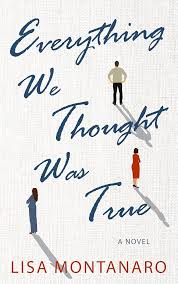
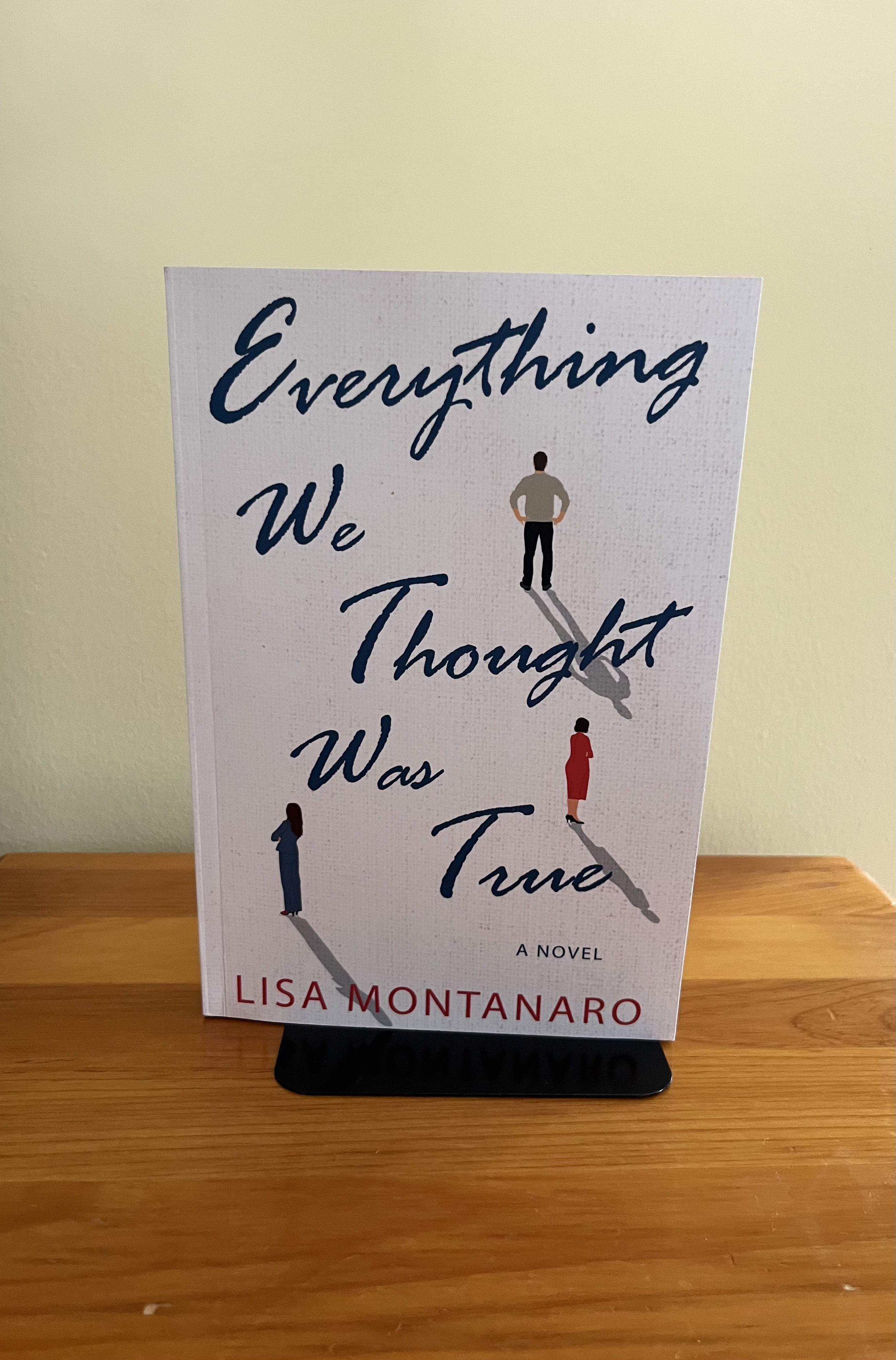
Everything We Thought Was True by Lisa Montanaro

Ages 18+

Everything We Thought Was True by Lisa Montanaro is a dual timeline novel which is a heavily fictionalized story of her life. It is told in the 1970s and 80s by Teresa and Frank Antinori, and in 2015 by Lena, their adult daughter, a lawyer who dedicates her career to fighting discrimination.

When she is thirteen, Lena discovers that her father is gay, and that her mother knew. Now, Frank is set to marry his partner Oliver, and wants Lena to plan the wedding.

Ms. Montanaro’s gorgeous writing made my heart ache both for Teresa and Frank in their own ways. The novel is incredibly moving, heartbreaking, and beautiful.

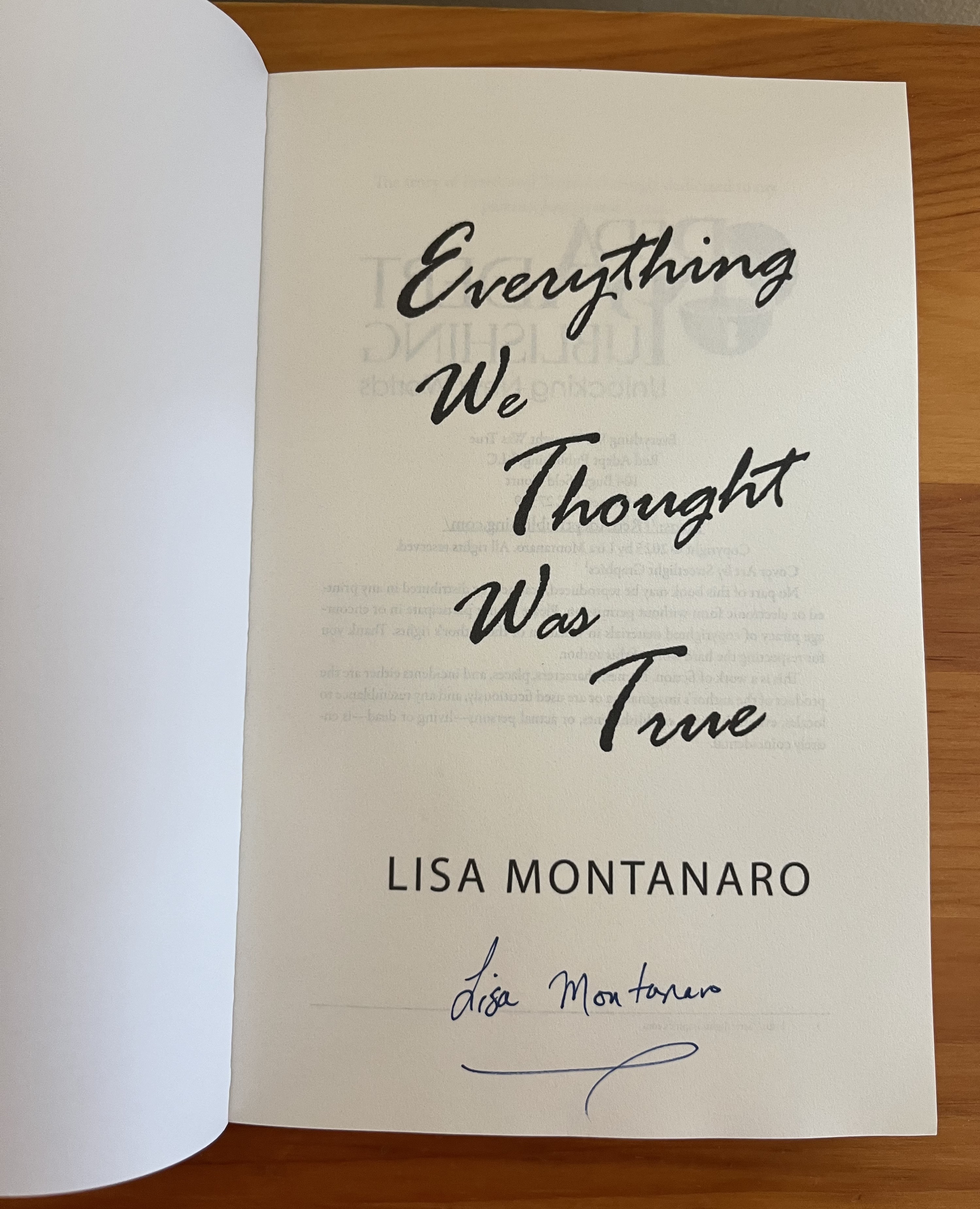
I had the privilege of meeting the author. You can read the post I wrote about the event here. I highly recommend the historic and timely novel Everything We Thought Was True by Lisa Montanaro. Oh, and a word of advice? Bring tissues!
Art, Events

Creative Wellness Using Art: Physical Challenges & Creative Opportunities

For this event, Joyce spoke about the challenges of being an artist when one has a physical disability, especially in the artist’s older age. She mentioned for example, that one could make adaptations such as using a thicker paintbrush if one needed it. Or, if an artist had Parkinson’s disease and their hands shook, they could create completely different art, and it would come out abstract, instead of how it usually did.

Joyce also spoke about many different artists with physical disabilities and how they were still able to make art.

Lee Krasner
Lee had a brain hemorrhage in 1962, and later arthritis. She used the working fingers on her right hand to guide her left hand so she could still paint. She also made collages of her already-made paintings and drawings. She was an “action painter,” meaning she used her entire body when she painted; she even figured out how to do this in her later years.

Edgar Degas
Degas was an impressionist painter who had visual impairments. A lot of his subjects were about sight. Artist Mary Cassatt also suffered visual impairment.


Frida Kahlo
Kahlo had a bus accident at the age of 18 and as a result, needed a metal rod in her spine. She painted many self-portraits from her bed. This period in her life is actually when she realized her talent and love for art.

Claude Monet
Monet was an impressionist who painted light and color. He painted the same objects in different light on purpose. He then loses his ability to see color and light because of cataracts. The surgery was very new at the time, so he was afraid to have it done, but later he did have it done in one eye. Before the surgery, the paintings came out more abstract and darker. He also suffered from depression as a result of losing his son and second wife. After the surgery, Monet painted the famous water lilies in his later years.

Chuck Close
Chuck Close was famous for creating faces that look realistic from far away. He had an aneurism in his spine and lost mobility of most of his body. Also, from boyhood, he couldn’t recognize faces.

Matthew Raynor
Raynor suffered a horrific diving accident that left him as a quadriplegic and paralyzed from the chest down. He couldn’t move 85% of his body, was in the hospital for 3 months, had to move back in with his mother in his 20s and needed her help to pretty much do everything. After he recovered, he discovered an old hobby – photography – and figured out how to do it with a drone, which gave his life direction and purpose again. You can visit him at www.matthewraynor.com.

Joyce told us about a movie called Imber’s Left Hand, about an artist named Jon Imber who had ALS and had to learn how to paint with his left hand.

I am looking forward to attending next week’s art talk!

Books, Events, Historical Fiction, LGBTQ+, Tear Jerkers

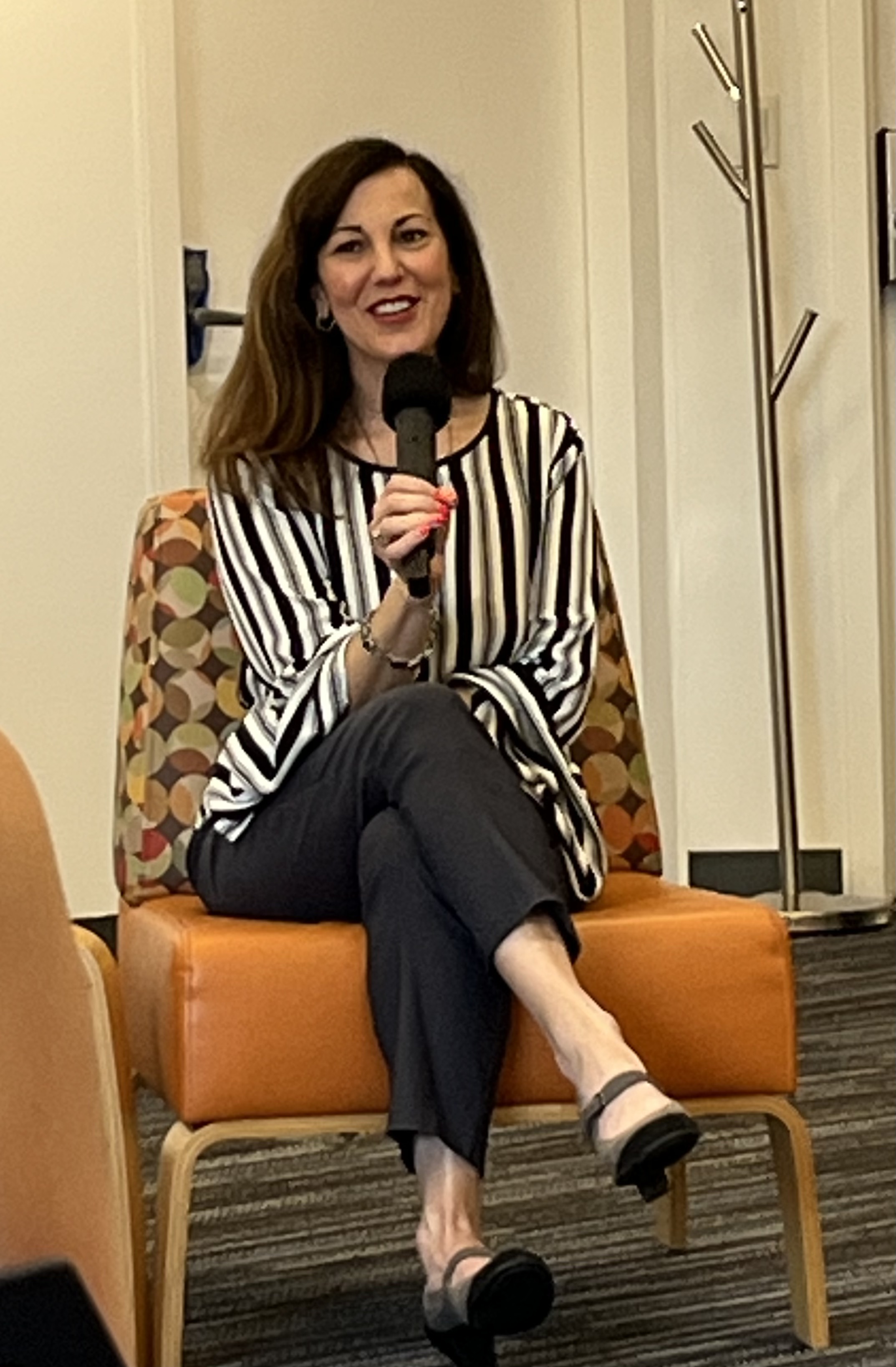
Author Event: Everything We Thought Was True by Lisa Montanaro

Recently I had the privilege of going to an area library, where Lisa Montanaro, who used to live locally but moved to California in 2012, was promoting her novel with a book talk and signing. She was in conversation with Christine Adler, a local lady and former president of the Women’s Fiction Writers Association.

Ms. Montanaro’s book, Everything We Thought Was True, is a family drama, and a highly fictionalized version of her life. It is a dual timeline, being told in 2015 by Lena, the adult daughter of a gay father, and narrated by her parents Teresa and Frank in the 1970s and 80s.

Ms. Montanaro told us that, being first a nonfiction writer, she initially intended for this story to be a memoir, yet as she was interviewing her formerly closeted gay father, she wanted to change many parts of his story. She quickly realized that this project had to be a novel.

Through reading this book, she wants readers—especially young people—to “understand the history of the hard-won rights of the LGBTQ+ community, and anyone who has a secret and is healing from a trauma to realize that embracing the truth will set you free.”

Ms. Montanaro told us that Lena was the most difficult character to write as she is the most different from herself, and that Teresa is the heart of the novel. Frank was the easiest because she identified the most with him. She said that “Lena is still grappling with loyalty issues and that she’s still living in the closet that Frank came out of.”

Ms. Montanaro’s father is very proud of her book, and he’s very much like Frank because he’s Italian-American, marries a heterosexual woman. She said it took her 6 years to write the book from start to finish.

The three biggest challenges of writing the book were:

  1. Trying to do justice to the true story but not being defined by it.
  2. Converting the raw data of her personal essays into a novel.
  3. Learning that you have to write the entire book before you send it to a publisher, in the fiction world, which is not so in the nonfiction world, as she’d written in the past.

Ms. Montanaro was asked if she had planned to write both such a historic and timely novel. She said she absolutely did not plan it that way at all.

The audiobook version of Everything We Thought Was True is set to release on May 13 through Tantor Media, and it’s being read by Annalee Scott. Lisa Montanaro is planning on starting her next book in a few months, and I can’t wait to see what it will be all about!

I’ve already finished reading Everything We Thought Was True, and you can read my full thoughts here. Happy reading, all!
Swag

Bookish Swag Part 2: Decor

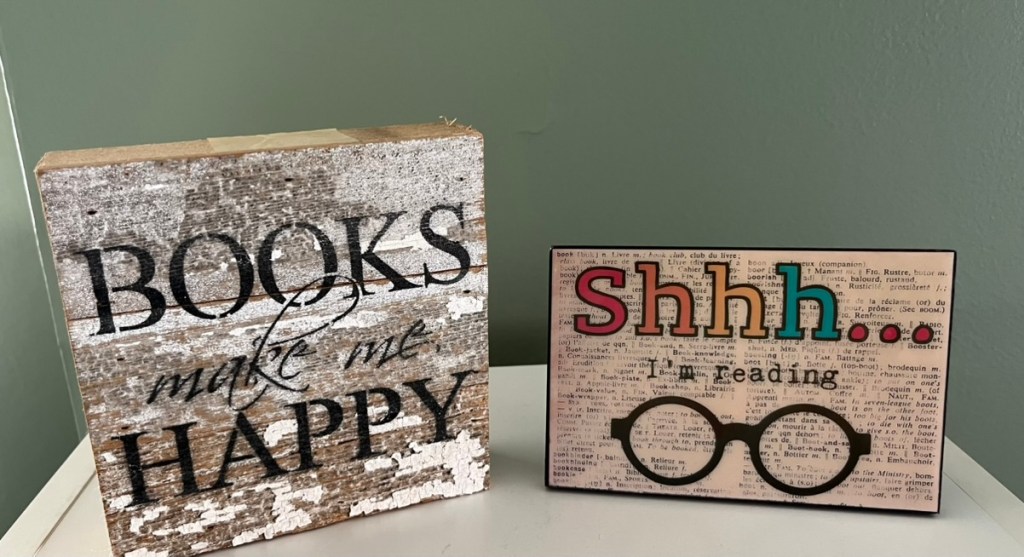
Okay, readers! It’s time for part two of my bookish swag! In this post, I’ll show you photos of bookish decor such as the things I hang on the walls of my library, signs, and more. I hope you enjoy perusing them!

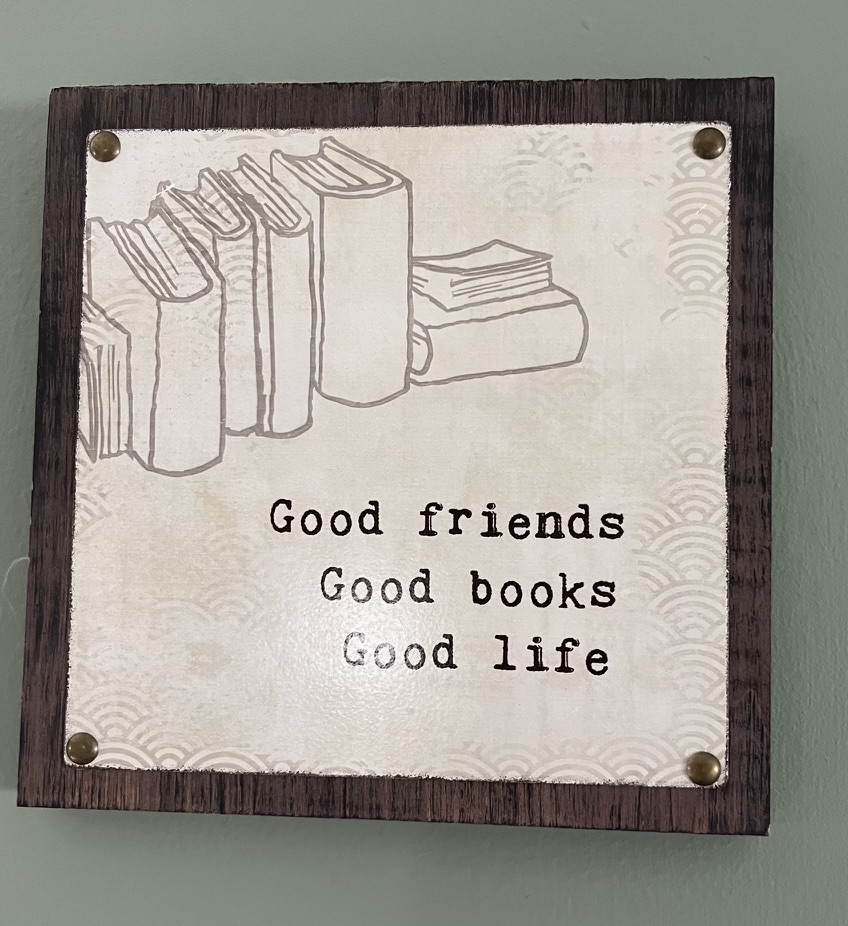
Here are two signs on the walls of my home library, which you may have seen in the post I did of my bookshelves.

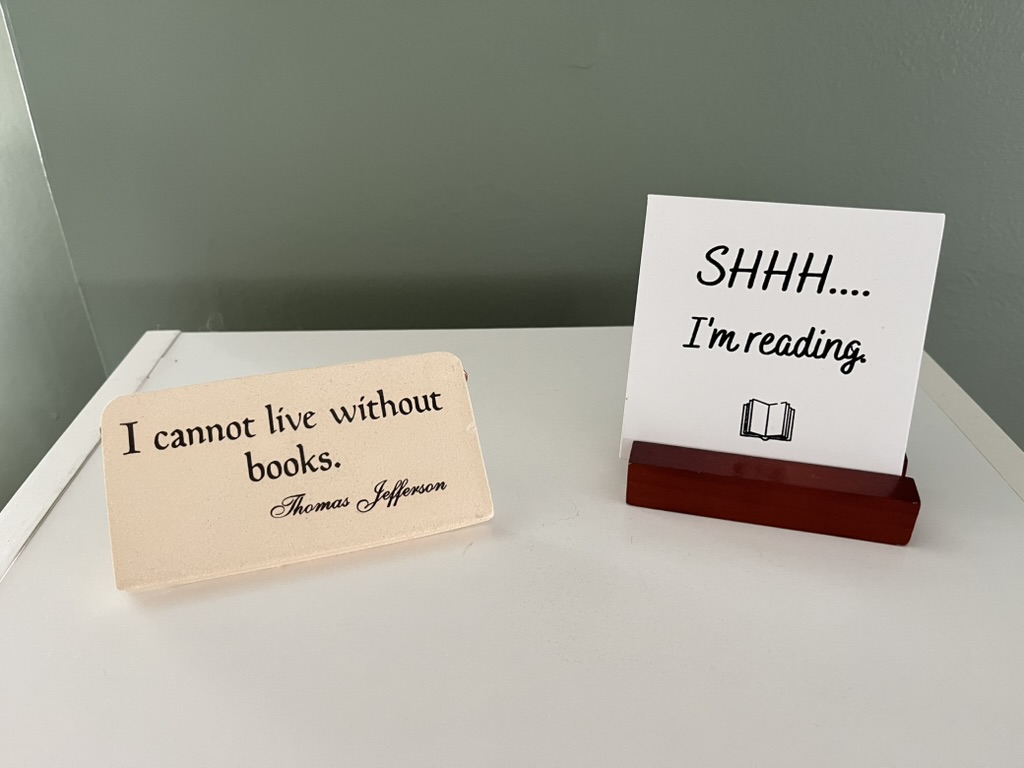
Here are four plaques that I have on my bookshelves! The quote by Thomas Jefferson is definitely one of my favorites!

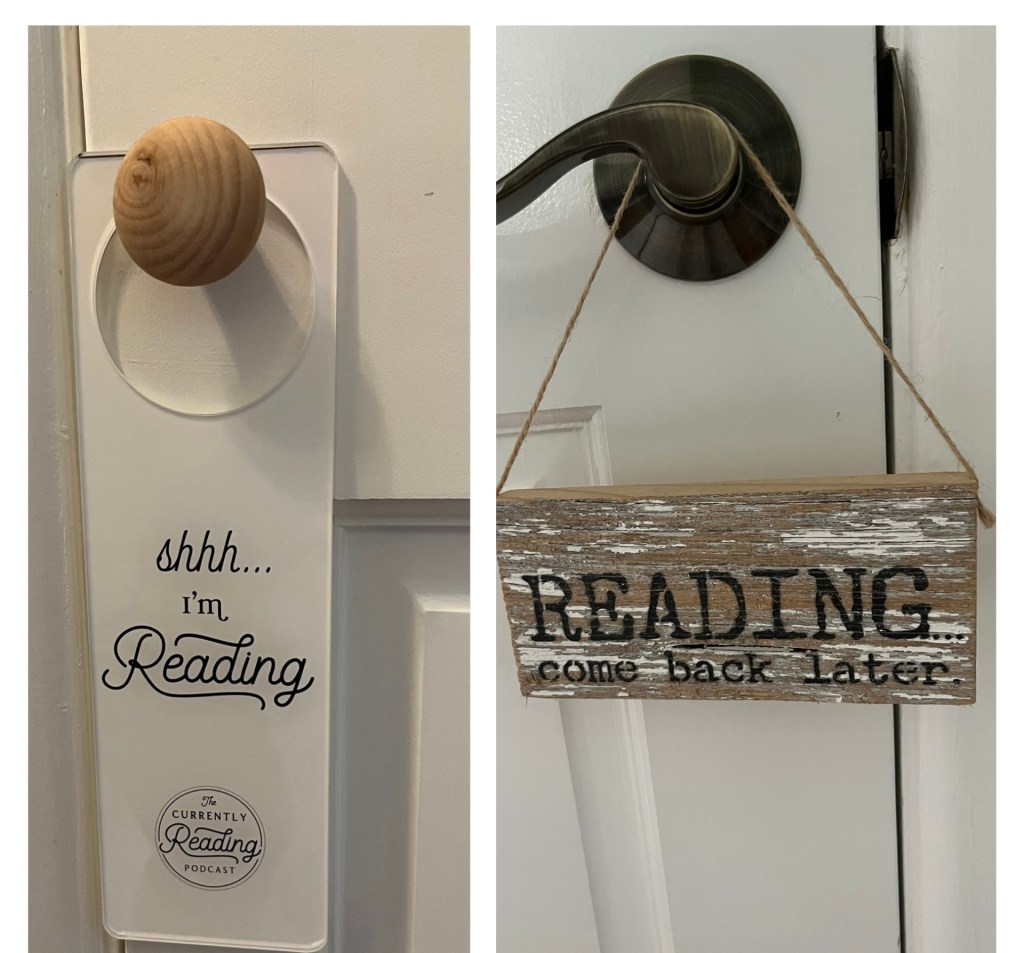
These two signs look great on my doorhandles, don’t you think? Shoutout to the Currently Reading Podcast, which I’ve been listening to weekly for the last seven years!

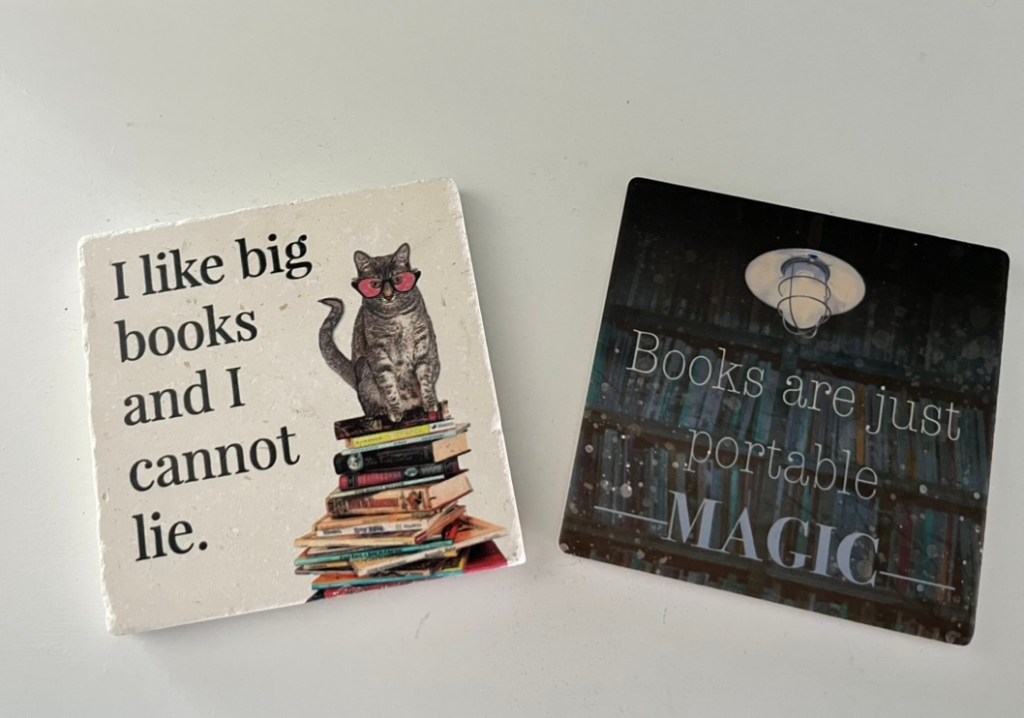
And of course I have a bookish tissue box holder and bookish coasters!

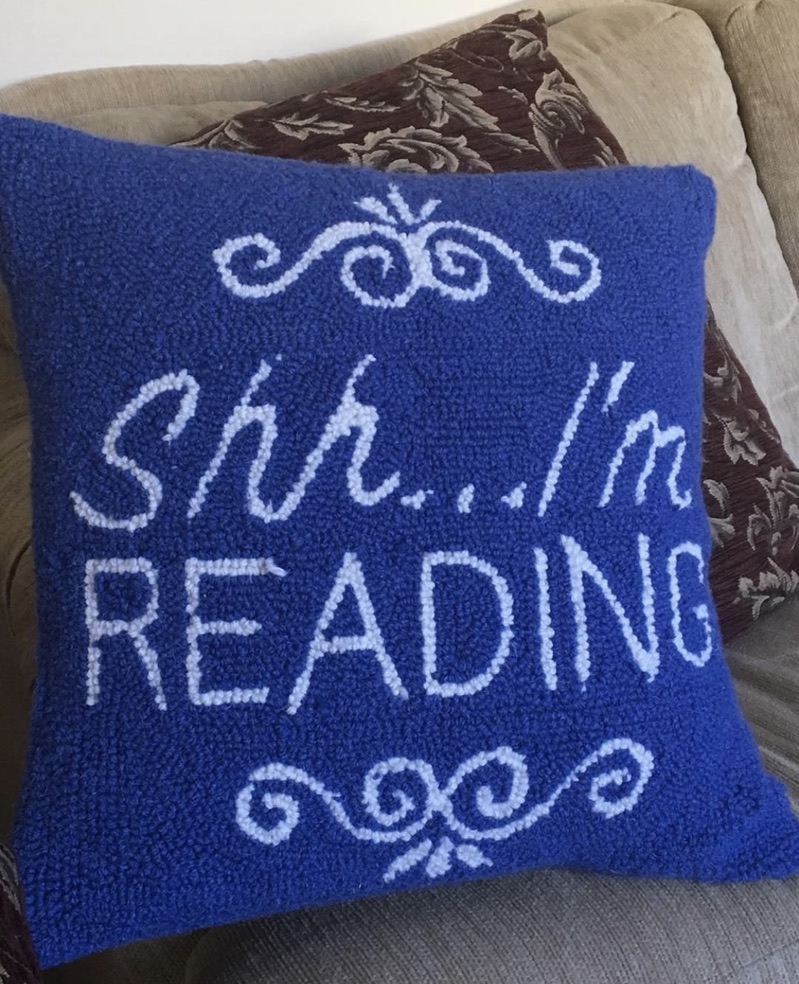
Here is my bookish pillow!

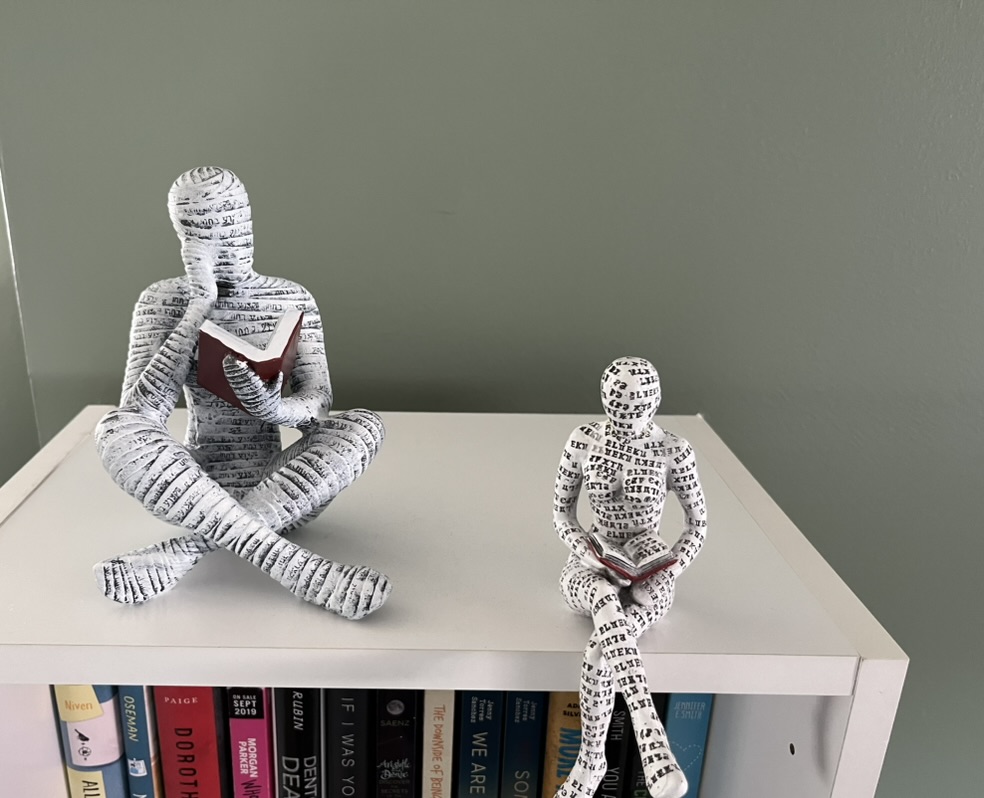
And, last but not least, I have two readerly statues that grace their presence in my library:

I hope you’ve enjoyed looking at all of my bookish decor! Keep a lookout for the last of this trilogy of blog posts, when I post everything else bookish that I own! 

Books, Monthly Wrap-Ups

Monthly Wrap-Up: April 2025

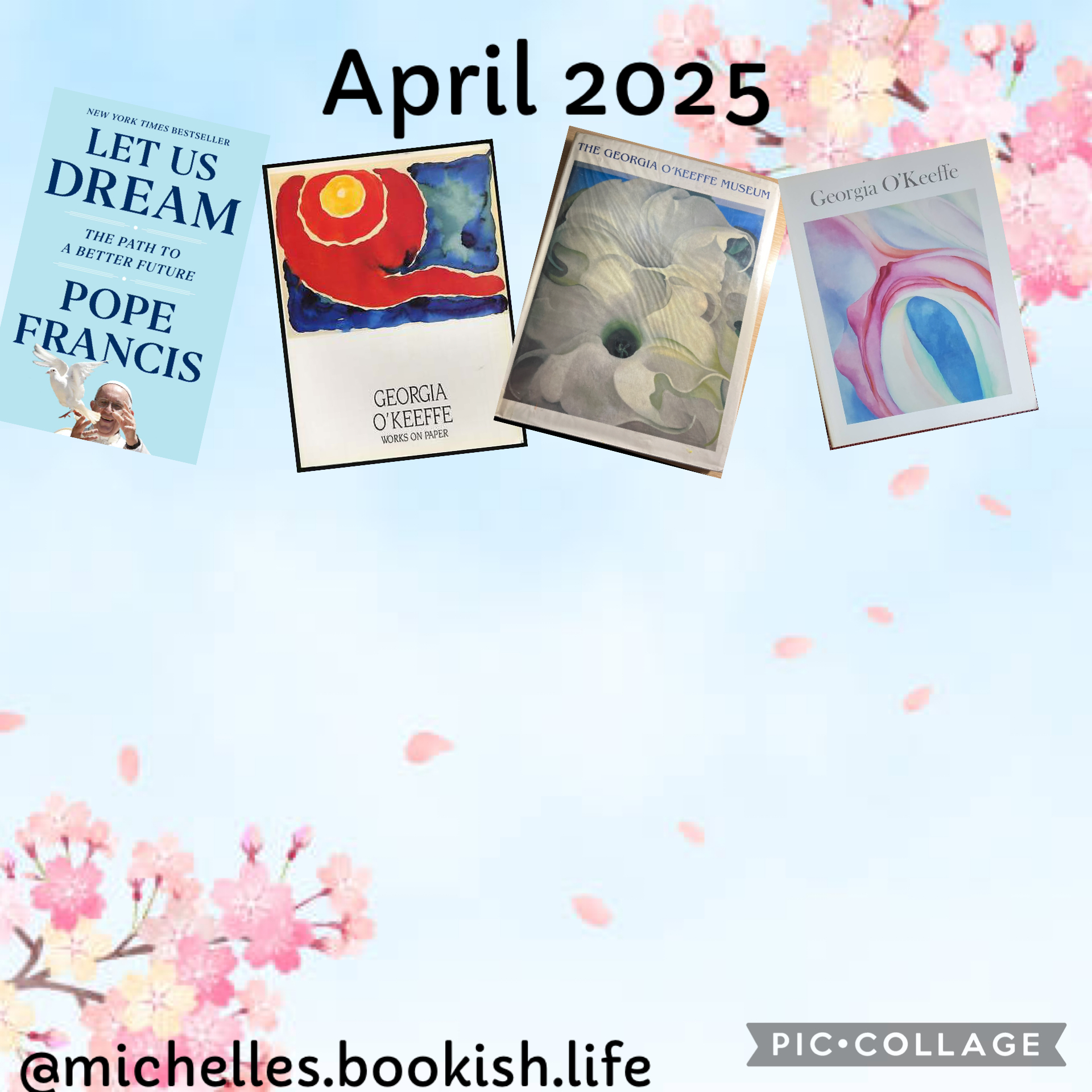
I read 16 books in April. I’m looking forward to another great reading month in May!

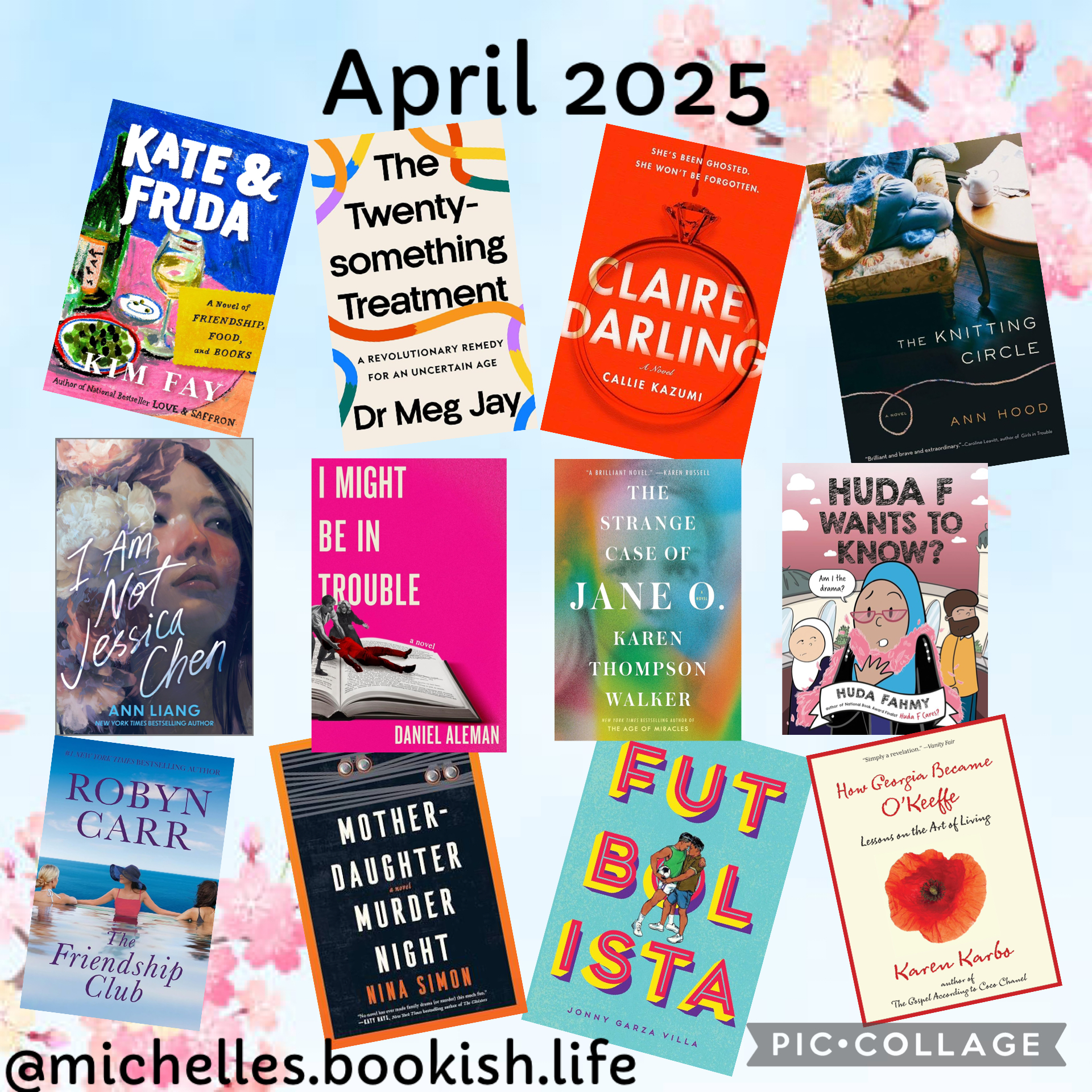
My favorite books read in April were: I Might Be In Trouble by Daniel Aleman, Claire, Darling by Callie Kazumi and How Georgia Became O’Keeffe: Lessons on the Art of Living by Karen Karbo.

These are all the books I read in April. As always, you can click on the linked ones to see my thoughts on the ones I reviewed for Netgalley.

📖 Kate & Frida: A Novel of Friendship, Food & Books by Kim Fay
📖 The Twenty-Something Treatment: A Revolutionary Remedy for An Uncertain Age by Dr. Meg Jay
📖 Claire, Darling by Callie Kazumi
📖 The Knitting Circle by Ann Hood
📖 I Am Not Jessica Chen by Ann Liang
📖 I Might Be In Trouble by Daniel Aleman
📖 The Strange Case of Jane O. by Karen Thompson Walker
📖 Huda F. Wants To Know? by Huda Fahmy
📖 The Friendship Club by Robyn Carr
📖/🎧 Mother-Daughter Murder Night by Nina Simon
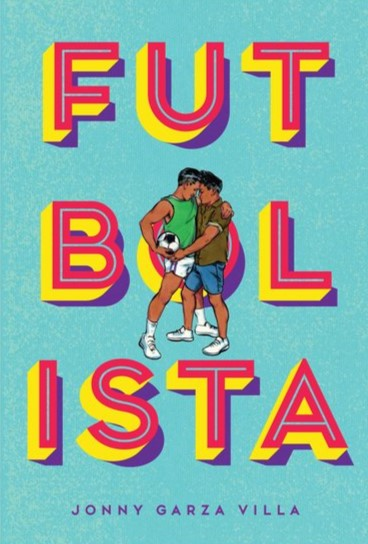
📱 Futbolista by Jonny Garza Villa
📖 How Georgia Became O’Keeffe: Lessons on the Art of Living by Karen Karbo
📖 Let Us Dream: The Path To A Better Future by Pope Francis
📖 Georgia O’Keeffe: Works On Paper by Barbara Haskell
📖 The Georgia O’Keeffe Museum by Harry N. Abrams
📖 Georgia O’Keeffe: Art & Letters by Sarah Greenough


Adult Fiction, Latinx, LGBTQ+, Netgalley Reviews, Romance, Sports

Futbolista by Jonny Garza Villa

Ages 18+

Gabriel Piña (or – Gabi, Gabo, or Pineapple, as he’s sometimes called) is coming to terms with his bisexuality as a Mexican-American goalie on his futbol (soccer) team in college, and his first real relationship with a boy. Not only that, he’s navigating everything in life that comes with it. This heartfelt, passionate and raunchy new-adult romance is very swoon-worthy, and I couldn’t put it down!

Thanks to Netgalley for a review copy of this book.