
Recently, I signed up for a bunch – I mean a bunch – of free library programs at a few libraries near me. Since my schedule has recently opened up, I decided to take advantage, and said to myself: “why not?” Here and in the coming blog posts, I’ll write my thoughts on the library programs I’ll attend. The Tibetan sound healing and mental health and wellness programs are two that I attended in February.
Tibetan Sound Healing
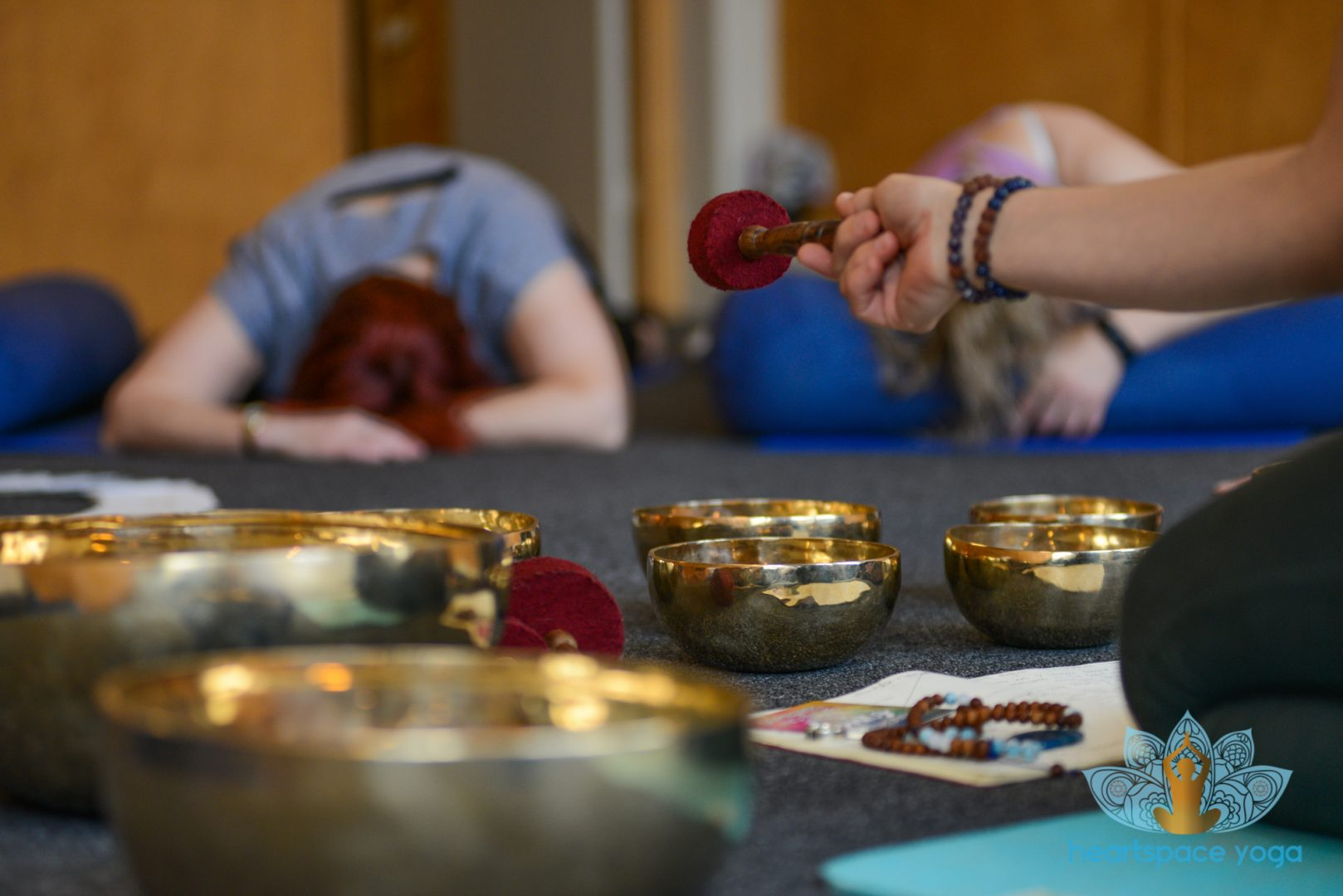
I attended this program in person, and I was lucky enough to also be accompanied by my aunt, uncle and cousins. I’d never done this before, but heard about it. The woman who did it played the bowls at different frequencies, and we all laid out on our yoga mats, starting out in any position that we wanted. I started on my back with my legs bent, and I was glad I did because my back had started hurting two days prior. I was still in pain the day of the program even though I had gone to an acupuncture session the first day of the pain. During the program, I ended up shifting positions and laid on my side, which helped my back a lot, especially since the yoga mat wasn’t nearly padded enough for my back! At the end of the program, the presenter gave us all some moringa oil, and I thought it smelled so good! Now I am on the hunt to buy some (but I have to find some pure oil that isn’t so expensive!)
Reflection:
I liked this program a lot and would definitely go back if I had the chance. I thought it was very relaxing (except for the back pain) and I liked the musical aspect of it as well. I’m glad I gave it a try!
Mindfulness & Mental Wellness Workshop
This program took place virtually, through a local library, on Zoom. They hired a psychologist to lead the program, and she spoke about the importance of mindfulness for one’s mental health. She told us that mindfulness means awareness and openness, strengthens the brain, is an accessible practice, reduces stress and anxiety, and is rooted in Buddhism.

The therapist also discussed the mental health benefits of mindfulness:
- Reduces stress and anxiety
- Improves emotional regulation
- Enhances our focus
- Helps us stay present and engaged
- Supports better sleep
- Builds self-compassion
Also, she told us about some mindfulness practices to help us when in distress:
- Box Breathing (breath can regulate emotions)
- Inhale for a count of 4, hold for a count of 4, exhale for 4, and repeat
- Body Scan
- Observe and create a shift – listen to your body’s wisdom
- Tension and stress aren’t just mental
- The Mind-Body Feedback Loop
- “Your issues are your tissues”
- Say to yourself repeatedly: “I am safe, I can let go”
- Journaling – Pennebaker Method
- Engages language centers
- Lowers cortisol levels
- 15-20 minutes of uninterrupted writing
Takeaways:
Mindfulness is a trainable skill, and it’s flexible! Breath work regulates stress and body awareness reduces tension. Movement disrupts emotional stagnation, and journaling provides insight.
Reflection:
I thought this therapist was great, and this program was a refresher course for me, because I’ve been learning about mindfulness, therapy practices and meditation for years. I’m by no means an expert, and I love reminding myself about the practices of mindfulness and how good they are for my mental health.


 Michelle’s Bookish Life